
Why Am I Always Tired?

The most common reasons for constant tiredness are not enough sleep or poor sleep quality, iron deficiency or anemia, low thyroid function, big blood sugar swings, and long-term stress and emotional load. Occasionally, fatigue is an early sign of another illness. Rule out the causes that need medical attention first, then work through sleep, diet, activity and stress one by one. Most people find a direction this way.
The 30-second version
- Your energy works like a phone: can the battery produce power, did it fully charge overnight, and how many background apps are draining it during the day? A problem in any of the three leaves you tired.
- On the production side, common issues are iron deficiency, anemia and thyroid. Recharging is about sleep. Draining comes from stress, blood sugar swings and chronic inflammation.
- If you're losing weight without explanation, have a fever, get short of breath, have black stools, or feel low enough that it affects daily life, see a doctor first.
- If your blood work is normal and you're still tired, looking at your routine, stress and lifestyle habits together often turns up clues.
"I sleep seven hours every night. Why can't I get up in the morning?" "The moment it hits 3 p.m., I just shut down." When people describe their tiredness, it's often this kind of feeling: hard to put into words, and hard to shake.
Fatigue is one of the most common signals your body sends, and one of the easiest to ignore. It rarely has just one cause. Usually it's a few small things stacked together. This article breaks those causes apart so you can see which ones you can adjust yourself and which are worth looking into with a physician.
Why am I always tired? Start with how your body makes energy
To understand fatigue, think of your body as a phone. A phone runs out of power for one of three reasons: the battery itself isn't holding power well, it didn't fully charge overnight, or too many apps are quietly draining it in the background. Your body is the same.
Every cell contains mitochondria, which turn the nutrients you eat and the oxygen you breathe into energy your body can use (ATP). That's the phone's battery. The three parts below are where to look when you're always tired.
Producing power: is oxygen and fuel getting through?
Mitochondria need oxygen to produce energy. Oxygen is carried by hemoglobin in red blood cells, and making hemoglobin takes iron. Iron deficiency is the most common cause of anemia worldwide. Women with heavy periods, people who eat mostly plant-based diets, and people with poor gut absorption are more likely to run into it.
When iron is low, your blood carries less oxygen, and your cells get less fuel. Common signs are tiring easily, getting winded on stairs, dizziness, cold hands and feet, and looking pale. Some people still have hemoglobin in the normal range while their iron stores (ferritin) are already low, and fatigue may show up first.
Your thyroid is like the phone's performance setting. When thyroid hormone is low, your whole body's metabolism slows down. Common signs are feeling cold, weight gain, dry skin, constipation and slower thinking. Low vitamin B12 and long-term poor blood sugar control can also affect this part.
Recharging overnight: enough sleep, and good sleep
Sleep is when your body recharges. The consensus of the American Academy of Sleep Medicine and the Sleep Research Society is that adults need 7 or more hours of sleep a night. Get less than that, and your energy, focus and mood during the day are all affected.
If you get enough hours and are still tired, look at the quality of the charge. In people with sleep apnea, breathing pauses again and again during the night, and the brain is woken up each time, usually without them knowing. Loud snoring, a family member saying you stop breathing in your sleep, and waking up with a dry mouth or headache are all clues worth noticing.
Scrolling on your phone before bed, drinking coffee in the evening, and sleeping in on weekends so your body clock gets thrown off can also make sleep lighter. It's like a charger with a loose connection.
Background drain: stress, blood sugar and inflammation
When stress hits, your body releases adrenaline and cortisol to help you get through what's in front of you. Today, stress rarely truly ends, so this system stays on, like background apps that never close. Researchers are also exploring the link between long-term psychological stress and how efficiently mitochondria work. There is a theoretical framework for this, but the experimental evidence comes mostly from animal studies, and more research is needed in humans.
Blood sugar swings are another common drain. A breakfast that's just a sugary drink, or a lunch with a big bowl of white rice, makes blood sugar spike and then crash. That's when many people feel sleepy and can't focus.
Chronic inflammation can make you tired too. When your body is in an inflammatory state, signaling molecules from the immune system make your brain feel tired and want to rest. It's the body's way of saving energy. People who are overweight, have long-term digestive discomfort, or have recurring allergies often have this kind of low-grade chronic inflammation.
| Part | What's happening in your body | Common clues |
|---|---|---|
| Producing power | Iron deficiency, anemia or low thyroid means cells don't get enough oxygen and fuel | Getting winded easily, dizziness, feeling cold, looking pale, heavy periods |
| Recharging | Not enough sleep, sleep apnea, a disrupted body clock | Tired despite enough sleep, snoring, morning headaches, sleeping in a lot on weekends |
| Draining | Long-term stress, blood sugar swings, chronic inflammation | Especially sleepy in the afternoon, groggy after meals, tense and unable to relax |
The three parts often affect each other. Stress makes you sleep badly, poor sleep makes you crave sweets, and blood sugar swings make you even more tired. So when looking for the cause, it's rarely just one thing.
What kind of tired am I? A self-check list
The questions below can help you get a rough sense of which part your tiredness is closest to. The group where you check the most boxes is worth dealing with first.
- Producing power: Have you been getting winded or dizzy lately? Are your periods heavier than before? Do you feel cold, has your skin gotten drier, or has your weight gone up for no clear reason?
- Recharging: Do you sleep less than 7 hours on weekdays? Do you snore, or have you been told you stop breathing in your sleep? Do you wake up with a dry mouth or headache? Do you sleep 2 or more hours longer on weekends than on weekdays?
- Draining: Is your mind often unable to switch off? Are you especially sleepy an hour after meals? Do you often rely on coffee or sweets to get through the afternoon? Do gut, allergy or skin problems keep coming back?
- Mood: Have you lost interest in things you used to enjoy? Have you felt low for two weeks or more in a row? Pay special attention to this group, since depression often shows up as fatigue.
This list only helps you organize clues. It can't be used for diagnosis. The real cause still needs to be confirmed through a consultation, a physical exam and blood work together.
When should I see a doctor first?
Most fatigue is linked to lifestyle, but some situations mean your body needs to be checked soon. If any of the following apply, see a doctor first rather than relying only on your own adjustments:
- You've lost noticeable weight over a few months without trying
- You have recurring fevers or night sweats, or you feel a lump in your neck or armpit
- You get short of breath after walking a little, or have chest tightness, palpitations or swollen lower legs
- You have black or bloody stools, or periods so heavy you need to change products very often
- You're thirsty, urinating often and losing weight at the same time
- You feel low enough that it affects work and daily life, or you have thoughts of harming yourself (you can call Taiwan's 1925 Safe Line)
- Your fatigue has lasted several weeks, keeps getting worse, and rest doesn't help
"Chronic fatigue syndrome" has a strict medical definition. The criteria listed in the U.S. National Academy of Medicine's 2015 report include fatigue lasting more than 6 months, clearly worsening after activity, and sleep that doesn't restore you, with other conditions ruled out first. Most people's long-term fatigue doesn't fall into this category, which is exactly why testing comes first.
What can I do in daily life to start?
While you wait for tests or are just starting to make changes, the steps below are low cost and low risk. They're worth trying for two to four weeks.
- Keep a fixed wake-up time: get up at the same time every day, and don't vary it by more than an hour on weekends. Your body clock will be steadier.
- Get morning light: after you get up, spend 10 to 15 minutes outdoors or by a window to help your brain tell day from night.
- Finish your coffee early: cut back on caffeinated drinks after midday to leave room for sleep at night.
- Include protein and vegetables at every meal: don't make breakfast just bread or a sugary drink, so your blood sugar is less likely to spike and crash.
- Move every day: a brisk 20 to 30 minute walk is enough. If you're very tired to begin with, starting with 10 minutes is fine.
- Keep a real "off work" window: put down work messages an hour before bed so your background apps have a chance to close.
If you've tried these for a while and nothing has changed, or you checked something on the list above, it's time to look into it with a physician.
How does ĒSEN assess constant tiredness?
At ĒSEN, fatigue is treated as a problem to be broken down. A physician first learns about your sleep, diet, work rhythm, medications and medical history, then uses test data to find which part your tiredness is stuck in.
- First-visit assessment: the first-visit appointment includes 56 classic health check items, autonomic nervous system testing and a full 30-minute consultation with a physician, to first rule out causes that need a referral.
- Additional tests as needed: the physician may suggest functional medicine testing to fill in what routine checkups can't see, across nutrition, hormones, inflammation and more.
- An integrated plan: once results are in, the physician will discuss with you which lifestyle changes to prioritize, include the Fatigue and Energy Program if needed, and have a dietitian help with your diet.
- Connecting to other issues: if the main issue is sleep or stress, you can also look at insomnia and autonomic dysfunction.
For the full picture of the causes of fatigue and how it's assessed, see our fatigue page.
One last thought
Your body knows before you do. That kind of tiredness that sleep doesn't really fix is your body reminding you that something needs looking after.
Start by understanding yourself, and work through it one piece at a time. The answer is usually more concrete than you'd expect. If you'd like to talk about your own situation, add ĒSEN on LINE or fill out the Consultation Form, and a consultant will help arrange your first visit.
Live Better, and Longer.
This article shares health information and cannot replace a physician's individual assessment.
FAQ
What kind of doctor should I see if I'm always tired?
My blood work is normal. Why am I still tired?
Does being tired all the time mean I have chronic fatigue syndrome?
Does coffee help?
Can heavy periods make women tired all the time?
Related pages
 Conditions We Treat
Always tired, even after a full night's sleep?
Still tired after sleeping? Look for causes in sleep, stress, blood sugar, thyroid and nutrients.
Read → Signature Programs
Always tired? How the 90-day Fatigue & Energy Program works
Check the possible causes of fatigue one by one, then track changes over 90 days.
Read →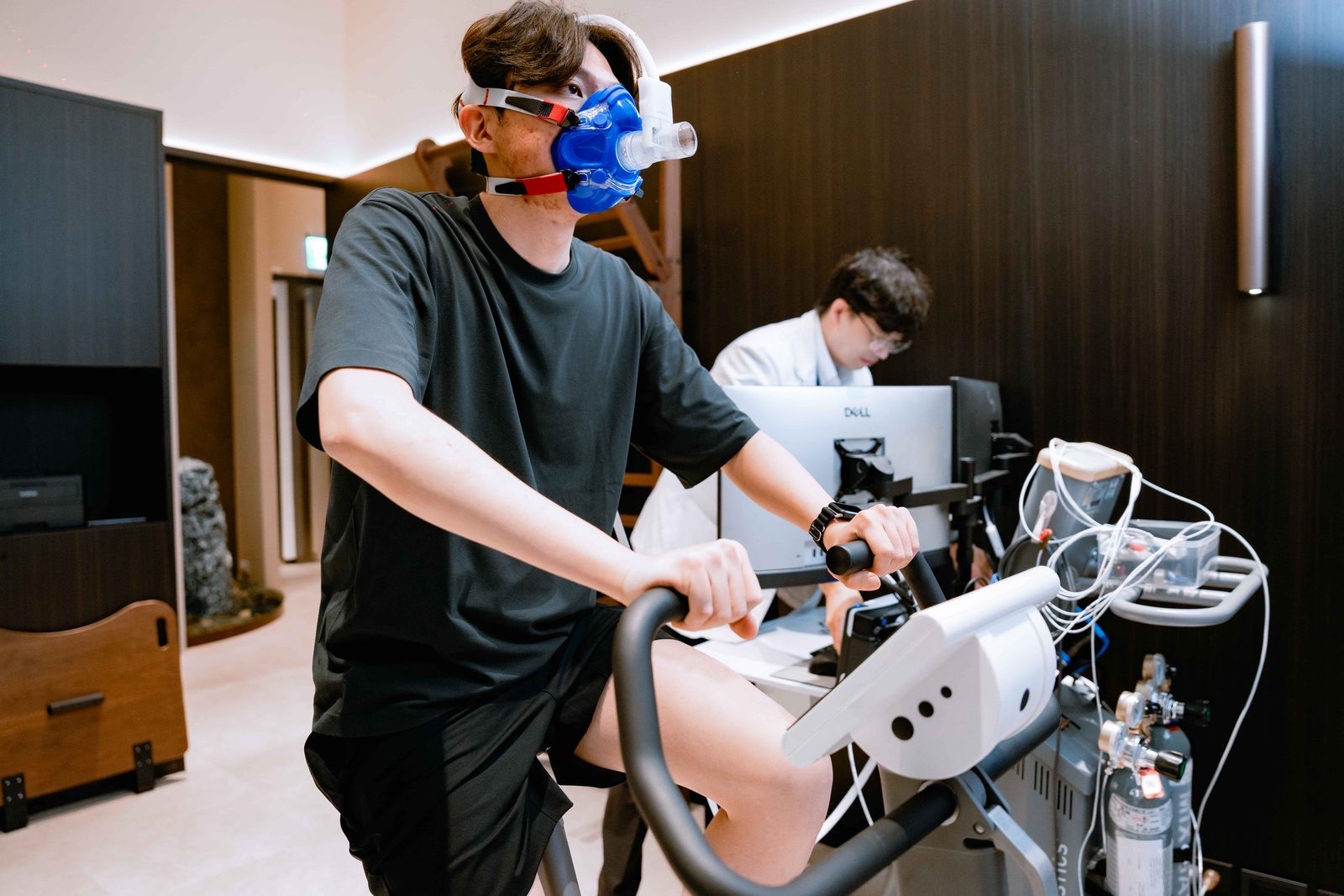 Specialty Treatments
What is functional medicine testing? How is it different from a regular checkup?
Read your body's signals clearly before flagged results show up: what testing looks at and how to interpret it.
Read → Conditions We Treat
Can't fall asleep, waking at night, never feeling rested: what causes insomnia?
Can't sleep or keep waking up? Look for the causes in stress, body clock and daily habits.
Read → Conditions We Treat
Palpitations, chest tightness, poor sleep: is it autonomic imbalance?
Palpitations, chest tightness, gut trouble, poor sleep? Understand how stress and the autonomic nervous system are linked.
Read → Health Articles
Can't Sleep Because of Stress? Here's What to Do
Can't sleep under stress? Your brain's security guard hasn't clocked out yet. From how it works to what you can adjust.
Read → Health Articles
What Are the Signs of Low Testosterone?
Changes in sex drive, energy, strength and waistline may be testosterone trying to tell you something.
Read → Lifestyle Conditions Library
What Is Brain Fog? Why Is It Getting Harder to Focus?
Feel like your mind is in a fog, or a word is on the tip of your tongue? It's often several causes stacked together.
Read →
- Committee on the Diagnostic Criteria for Myalgic Encephalomyelitis/Chronic Fatigue Syndrome, Institute of Medicine. Beyond Myalgic Encephalomyelitis/Chronic Fatigue Syndrome: Redefining an Illness. National Academies Press. 2015.
- Watson NF, et al. Recommended Amount of Sleep for a Healthy Adult: A Joint Consensus Statement of the American Academy of Sleep Medicine and Sleep Research Society. Sleep. 2015;38(6):843-844.
- Camaschella C. Iron-Deficiency Anemia. N Engl J Med. 2015;372(19):1832-1843.
- Picard M, McEwen BS. Psychological Stress and Mitochondria: A Conceptual Framework. Psychosom Med. 2018;80(2):126-140.
- Chaudhuri A, Behan PO. Fatigue in neurological disorders. Lancet. 2004;363(9413):978-988.
This is health education information. It does not replace a physician's diagnosis; whether a treatment is right for you needs a physician's assessment.