
360 Genetic Test and 360 Pro: what's tested, how they differ, and how to use your report

The ĒSEN 360 Genetic Test uses a single blood draw to assess genetic tendencies for 21 diseases common in Taiwan, and provides detailed reports on three lifestyle condition modules: mood and mind-body, allergy and inflammation, and obesity and metabolism. 360 Pro builds on this with 8 personalized modules, including nutrient metabolism, neurological and emotional health, reproductive endocrinology, skin and exercise. Both look at inborn tendencies, and need to be read by a physician alongside your checkup data and lifestyle.
How do 360 and 360 Pro differ?
In one sentence: 360 shows which areas are worth watching early, while 360 Pro goes further to look at why the same effort works differently for you, such as nutrient absorption, exercise recovery, skin, and reproductive endocrinology.
| 360 Genetic Test | 360 Pro Genetic Test | |
|---|---|---|
| Main question | Which areas do I need to watch more closely, given my genes? | What kind of diet, exercise and skincare suits me better? |
| Contents | Genetic tendencies for 21 diseases common in Taiwan + 3 lifestyle condition modules | 8 personalized modules |
| Reports | Genetic risk assessment report + 360 lifestyle conditions report (two reports in total) | As explained at your clinic visit |
| Sample | Blood draw | Blood draw; no new draw needed if you've already done 360 |
| Interpretation | One-on-one explanation with a physician | One-on-one explanation with a physician |
What 360 Pro tests will be explained by your physician at your consultation.
360 Genetic Test: what's tested?
Report 1: Genetic tendencies for 21 diseases common in Taiwan
| Area | Number of items | Contents (male version) |
|---|---|---|
| Common cancers | 12 | Inborn tendencies for common cancers of the digestive tract, urinary and reproductive organs, respiratory tract, and head and neck (your physician will go through the full list when explaining your report) |
| Cardiovascular and metabolic | 5 | Ischemic stroke, heart attack, familial hypercholesterolemia, type 2 diabetes, essential hypertension |
| Neurodegenerative diseases | 4 | Tendencies for neurodegenerative diseases related to memory and movement (your physician will go through the full list when explaining your report) |
The female version also covers 21 items. Your physician will go through the full list when explaining your report.
Report 2: 360 lifestyle conditions report
For the three areas most connected to daily life, this report provides SNP-level genotype analysis and lifestyle suggestions.
| Module | What it looks at | Genes included |
|---|---|---|
| Mood and mind-body | Neurotransmission, body clock, stress hormone regulation, folate metabolism | DRD2, HTR1A, COMT, PCLO, TPH1, CLOCK, IL6R, TNFα, CRHR1, FKBP5, MTHFR |
| Allergy and inflammation | Skin barrier, immune balance in the airways and gut | TNFα, FLG, IL10, GSTP1, TBX21, IL13, ATG16L1, IL23R |
| Obesity and metabolism | Insulin sensitivity, visceral fat metabolism, heat production, fullness and appetite | ADRB2, ADRB3, UCP1, PPARG, GNB3, LEP, LEPR, FTO |
360 Pro: 8 personalized modules
| Module | What it looks at |
|---|---|
| 01 Ancestry | Your ancestral population, and the tendencies that population tends to need to watch |
| 02 Neurological, emotional and mind-body | Neurotransmission efficiency, body clock, stress hormone regulation |
| 03 Nutrient metabolism | Metabolic tendencies of genes related to vitamins, minerals and antioxidants |
| 04 Autoimmunity | Genetic tendencies related to immune regulation and immune sensitivity |
| 05 Female reproductive endocrinology | Genetic tendencies related to female hormones and reproductive endocrinology |
| 06 Male reproductive vitality | Markers related to male hormones and reproduction, and tendency toward hereditary hair loss |
| 07 Skin | Sensitivity to inflammation after sun exposure, moisture retention, tendency toward collagen loss |
| 08 Exercise performance | Genes related to muscle fiber type, recovery from fatigue, and cardiorespiratory endurance |
The genes and report contents for each module will be explained at your clinic visit.
Who is it for?
- People with a family history who want to know which areas are worth tracking early
- People whose checkup numbers keep coming back flagged, who've changed their lifestyle but can't find the reason
- People who've tried many diets and supplements with mixed results and want something to go on
- People with recurring stress, sleep or mood concerns who want to better understand how they work
- People planning long-term health management who want a basic blueprint first
People who choose 360 Pro usually already have a clear goal, such as preparing for pregnancy, exercise performance, skincare, or more precise nutritional supplementation. If you're pregnant, or concerned about the psychological stress the results might bring, we suggest talking with a physician before deciding.
Testing process
- Consultation: talk with a physician or consultant about what you want to learn, confirm whether 360 or 360 Pro fits your needs better, go over the scope and limits of the test, and sign the consent form
- Blood draw: a single blood draw is all it takes. Pre-test instructions will be explained when you book
- Lab analysis: the test covers about 750,000 markers and is designed around genetic data from Chinese and Taiwanese populations. Our partner lab is a technology-transfer lab from National Cheng Kung University
- Report: ready in about 4 weeks (28 working days)
- Physician explanation: a physician goes through your report one-on-one, while a consultant records key points and discusses next steps
How do I use the report?
The value of the report is in what you do next. Your physician looks at your genetic tendencies together with your symptoms and checkup numbers, and links them to the relevant conditions and programs:
| Report module | Related conditions | Possible programs |
|---|---|---|
| Obesity and metabolism | Weight, Metabolism and blood sugar | Weight & Metabolism Program |
| Mood and mind-body | Autonomic health and stress, Insomnia | Stress & Autonomic Recovery Program, Sleep Program |
| Allergy and inflammation | Allergies, Chronic inflammation, Gut health | Allergy & Inflammation Program |
| Pro reproductive endocrinology | Hormone imbalance | Hormone Balance Program |
| Pro nutrient metabolism, neurological and emotional | Fatigue | Fatigue & Energy Program |
The report can also help guide your diet and supplement choices. For example, MTHFR is related to folate metabolism, so you can discuss food sources with your physician or dietitian, then refer to the pharmacy's Vitamin B Complex ingredient page. A genetic report is never used on its own to decide a prescription. Your current state still needs to be confirmed through functional medicine testing and blood work.
Genes aren't destiny
Most common diseases come from many genes each contributing a little, plus lifestyle and environment working together. What the test shows is a tendency in terms of probability, not a prediction.
One study following more than 50,000 people found that among those with higher genetic risk, people who kept healthy habits had a relative risk of coronary artery disease nearly half that of people with less healthy habits. With the same genes, how you live still matters a lot.
So when you read your report, rather than memorizing which items are high, the more useful questions are: what does this mean I should track more closely? Where can I start adjusting day to day? When your physician explains your report, they'll focus on these two questions.
Privacy of your genetic data
Under Taiwan's Personal Data Protection Act, genetic data, like medical records, medical care and health checkup data, is a special category of personal data. In principle it may not be collected, processed or used, except in cases the law clearly sets out, such as with the person's written consent.
- Before testing, we explain the scope of the test and how the data will be used, and obtain your written consent
- Your report is part of your medical data. Viewing and access rights are set out in the written consent form before testing
- How long samples are kept, how they're destroyed, and whether they'll be used for research are set out in the written consent form before testing
You can raise any questions before testing, and decide once everything is clear.
Next steps
If you're not sure whether 360 or 360 Pro is right for you, fill out the Consultation Form or add ĒSEN's official LINE account and tell us what you most want to learn. Further reading: How to choose a genetic test: a complete guide.
FAQ
Do I only need a genetic test once in my life?
If my genetic risk for a disease is high, does that mean I'll get it?
How is genetic testing different from a regular health checkup?
How long does the report take? Who explains it to me?
How will my genetic data be used?
Related pages
 Conditions We Treat
Slowing metabolism and borderline blood sugar: what's happening in your body?
Borderline blood sugar and a growing waistline? Learn about insulin resistance and metabolic assessment.
Read → Conditions We Treat
Palpitations, chest tightness, poor sleep: is it autonomic imbalance?
Palpitations, chest tightness, gut trouble, poor sleep? Understand how stress and the autonomic nervous system are linked.
Read → Conditions We Treat
What Is an Allergy-Prone Body? What to Do When Your Nose and Skin Keep Flaring Up
A doctor confirms the allergy first; functional medicine adds a look at the gut, diet, environment, and stress.
Read → Conditions We Treat
What are the signs of hormone imbalance? What to look at differs for men and women
Changes in testosterone, estrogen and progesterone often hide behind fatigue and mood swings.
Read → Signature Programs
Stuck on your weight loss? How the 90-day Weight & Metabolism Program works
Use testing to find why you're stuck, then track weight, waist and muscle under the same conditions for 90 days.
Read → Health Articles
What Can a Genetic Test Tell You?
A genetic test reads your inborn tendencies. How you live still shapes the outcome.
Read → Health Articles
Can You Change an Allergic Constitution?
You can't change your genes, but your allergy threshold, barriers and environment still leave room to adjust.
Read → Biomarker Library
What Does High Homocysteine Mean?
Homocysteine reflects B12, folate and methylation status.
Read → Nutrient Library
Vitamin B complex: a metabolic working group of 8 vitamins
Coenzymes for energy metabolism and methylation: the 8 B vitamins and their active forms
Read → Nutrient Library
Folate and Active Folate: Vitamin B9 for Cell Division and Methylation
A key B vitamin for cell division and methylation, in three forms
Read → Conditions We Treat
Is Your Gut Always Unsettled? Common Reasons for Recurring Bloating, Constipation, and Diarrhea
Recurring gut discomfort is often diet, stress, sleep, and gut bacteria working together.
Read → Conditions We Treat
What Is Chronic Inflammation? A Low Fire That Keeps Burning
Low-grade inflammation without redness or pain often shows up alongside fatigue and metabolic issues.
Read → Conditions We Treat
Can't lose weight no matter what you try? Here's what may be going on
Struggling to lose weight isn't just about willpower. Look for causes in metabolism, sleep and hormones.
Read → Signature Programs
How are hormone imbalances assessed? The 90-day Hormone Balance Program (including male TRT assessment)
Confirm with blood work first, then discuss prescriptions. Both men's and women's hormones need regular safety monitoring.
Read → Member Stories
Feeling Fine: Does It Really Mean You're Fine?
He takes great care of his work, but his own body comes last.
Read → Member Stories
I Took a Genetic Test to Understand Myself Better
From the physician consultation to the report walkthrough: the 5 steps of a genetic test.
Read →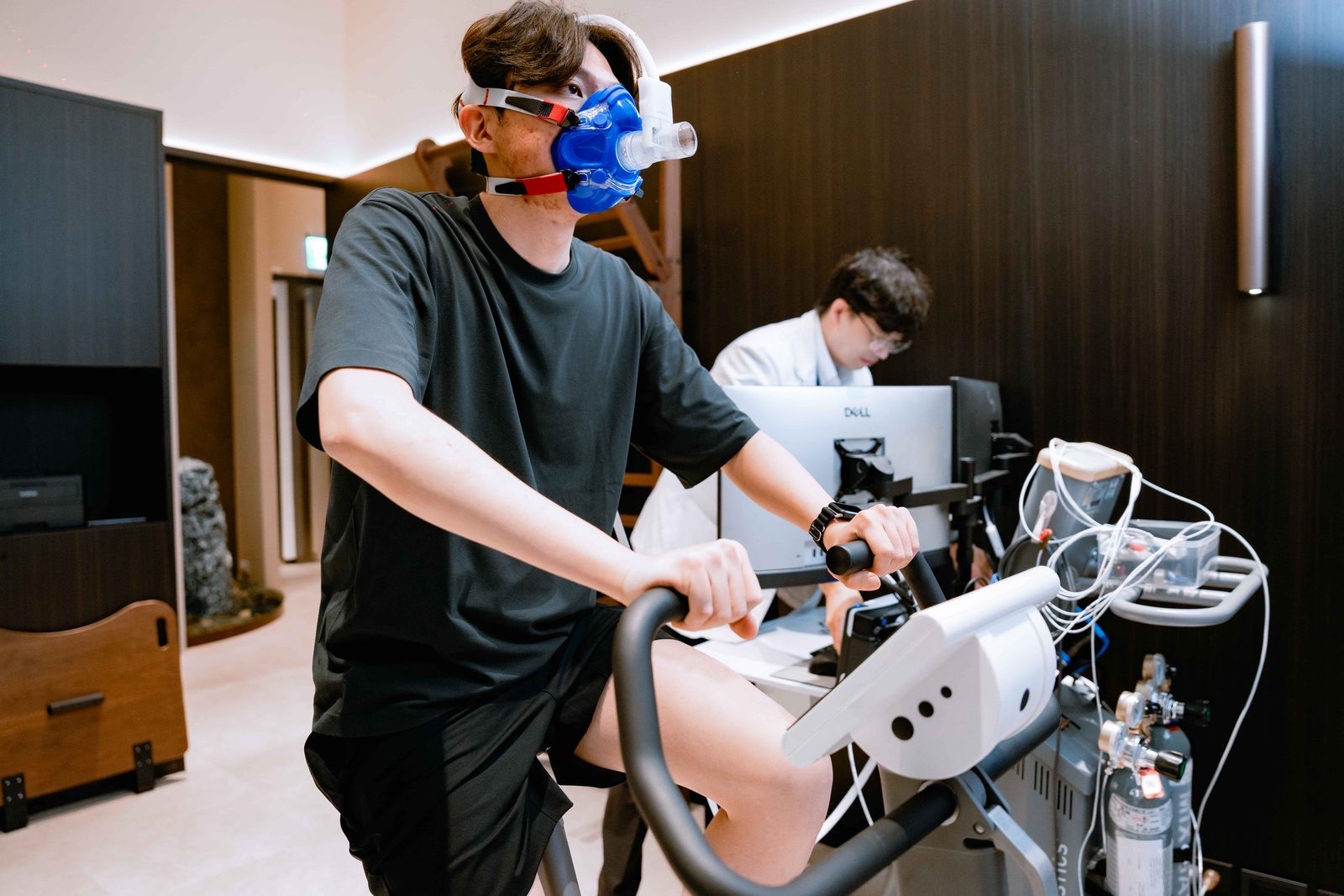 Specialty Treatments
What is functional medicine testing? How is it different from a regular checkup?
Read your body's signals clearly before flagged results show up: what testing looks at and how to interpret it.
Read →
- Khera AV, et al. Genetic Risk, Adherence to a Healthy Lifestyle, and Coronary Disease. N Engl J Med. 2016;375(24):2349-2358.
- Visscher PM, et al. 10 Years of GWAS Discovery: Biology, Function, and Translation. Am J Hum Genet. 2017;101(1):5-22.
- Tam V, et al. Benefits and limitations of genome-wide association studies. Nat Rev Genet. 2019;20(8):467-484.
- 個人資料保護法 第 6 條(特種個人資料)。法務部全國法規資料庫。
This is health education information. It does not replace a physician's diagnosis; whether a treatment is right for you needs a physician's assessment.