
Feeling Fine: Does It Really Mean You're Fine?

Jonathan is a classic long-hours professional. Late nights, jet lag, stress and irregular meals are part of everyday life. What he shared with ĒSEN wasn't a particular symptom, but a shift in thinking: health management doesn't have to wait until something goes wrong. This story covers the topics he cares about and how long-term routines affect the body.
What does he care about?
In a collaboration video on ĒSEN's Instagram, Jonathan asked a question: "I used to feel fine. Did that really mean I was fine?" Many people who take great care of their work put their own health last. If nothing obviously hurts, they assume everything is normal.
His view now is that late nights, jet lag, stress and irregular meals have been slowly wearing his body down all along. It just hasn't reached the point of pain yet. What he wants is to understand himself before problems show up.
Long-term late nights, jet lag and stress: what is your body carrying?
| Lifestyle | What your body may be carrying |
|---|---|
| Late nights, not enough sleep | Lower focus during the day and appetite regulation that's easily thrown off. Over the long term, this is linked to metabolism-related risks. |
| Travel across time zones | Your body clock and your actual schedule fall out of sync, so sleep, digestion and mental state are easily affected together. |
| Long-term high stress | Stress hormones and the autonomic nervous system stay on alert for long stretches, making it hard to relax even when you rest. |
| Irregular meals | Bigger blood sugar swings, which can lead to a pattern of being especially tired in the afternoon and especially hungry at night. |
These are all common lifestyle risk factors. They don't mean you will definitely get sick, but they're worth keeping an eye on regularly.
The process he went through at ĒSEN
- Physician consultation: starting from his type of work, how often he travels, and his sleep and eating habits.
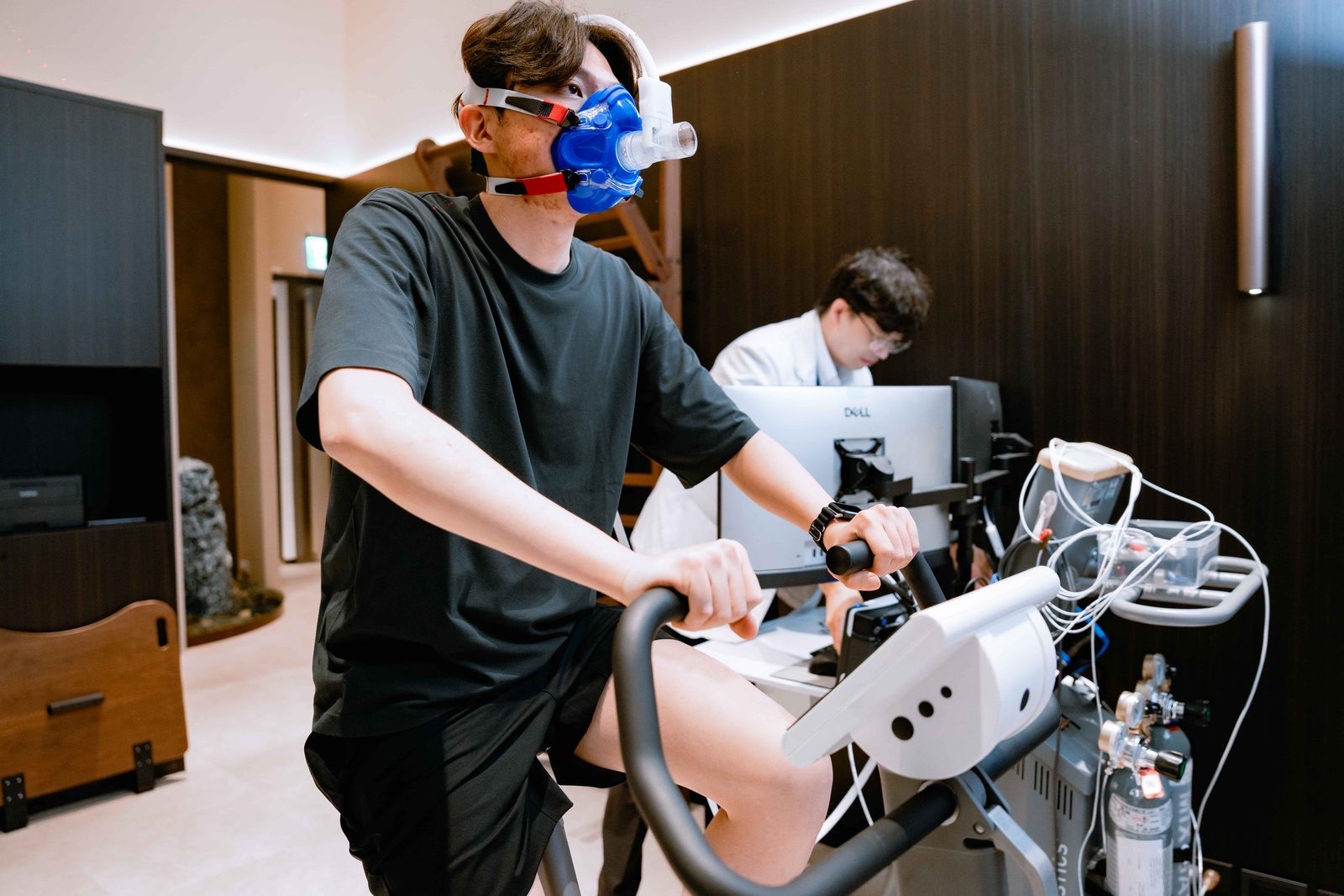
- Tests as needed: the physician decided which assessments to do based on the consultation and his situation.
- Report walkthrough: the physician explained what each result means and how it relates to his lifestyle habits.
- Nutrition and lifestyle adjustments: turning recommendations into a rhythm he can actually keep, such as his routine and meals while traveling.
His main takeaway is that health management works through testing, nutrition and lifestyle adjustments together, with the goal of having enough energy for the things he cares about.
Three things you can start today
- Keep a consistent wake-up time. It's easier to keep your body clock steady this way than by fixing your bedtime.
- When traveling, get more sunlight during the day and less bright light at night to help your body align with local time.
- Schedule a basic health checkup once a year, and keep your results so you can compare trends.
To learn more about how we assess, see functional medicine testing and our Stress and Autonomic Signature Program, or ask us through our LINE Official Account.
ĒSEN invited Jonathan to share his experience, and it is published with his consent. The content does not represent any treatment effect. Please have a physician assess your individual situation.
FAQ
Do I need a health assessment if I don't have symptoms?
What does health management at ĒSEN usually look like?
Is it okay to catch up on sleep on weekends after late nights?
Related pages
 Specialty Treatments
What is functional medicine testing? How is it different from a regular checkup?
Read your body's signals clearly before flagged results show up: what testing looks at and how to interpret it.
Read → Conditions We Treat
Always tired, even after a full night's sleep?
Still tired after sleeping? Look for causes in sleep, stress, blood sugar, thyroid and nutrients.
Read → Conditions We Treat
Palpitations, chest tightness, poor sleep: is it autonomic imbalance?
Palpitations, chest tightness, gut trouble, poor sleep? Understand how stress and the autonomic nervous system are linked.
Read → Signature Programs
High stress, autonomic imbalance: how can a 90-day program help you sort it out?
Turn stress into numbers you can see, then practice and track your recovery over 90 days.
Read → Genetic Testing
360 Genetic Test and 360 Pro: what's tested, how they differ, and how to use your report
One blood draw to see your inborn tendencies: 360 looks at risks, Pro looks at personalized modules.
Read →
A personal health-management story about the service and consultation process only. It does not represent treatment results; everyone's situation is different. This is health education information. It does not replace a physician's diagnosis; whether a treatment is right for you needs a physician's assessment.