What are the signs of hormone imbalance? What to look at differs for men and women
Common signs of hormone imbalance include fatigue, poor sleep, mood swings, lower sex drive, and weight and body fat slowly creeping up. Men should watch especially for low testosterone. In women, it often shows up around menopause and in the week or two before a period. Hormone levels need to be confirmed with a blood test, and then a physician looks at your symptoms, lifestyle and numbers together.
Does this sound familiar?
- You sleep all night and still have no energy, and afternoons are especially hard
- You used to be driven, but now you can't get motivated for work, exercise or intimacy
- You're gaining weight around your belly, while building muscle feels harder and harder
- You wake up hot at night, get sudden waves of heat, or wake in the middle of the night
- The week before your period you're especially irritable, bloated and craving sweets, then it eases when your period comes
- Your health check shows nothing flagged, but your body just isn't the same as a few years ago
What is hormone imbalance?
Hormones are the body's messengers. The hypothalamus and pituitary gland in the brain send out instructions, and then the testes or ovaries, thyroid and adrenal glands release their own hormones to regulate energy, mood, muscles, bones, sleep and reproduction. If any link in this chain of command slows down or loses its rhythm, your body will feel it.
This page focuses on sex hormones: testosterone in men, and estrogen and progesterone in women. Thyroid and stress hormones can cause similar feelings, and doctors usually look at them together during an assessment.
Men: low testosterone
Men's testosterone starts declining slowly from their 30s, at a pace that varies from person to person. "Hypogonadism" that actually needs medical treatment means two things are true at once: there are symptoms, and blood tests confirm a low level. A low number with no symptoms, or symptoms with a normal number, mean different things.
Women: menopause and premenstrual discomfort
Menopause is the process in which ovarian function gradually declines until periods stop. For most people it happens between 45 and 55. In the few years before periods stop, known as the "menopausal transition" (perimenopause), hormones fluctuate the most and symptoms are most noticeable. Premenstrual syndrome happens between ovulation and the start of your period. It's linked to hormone changes in the luteal phase and how sensitive the brain is to those changes. Research suggests that many women with premenstrual discomfort have normal hormone levels. The difference is that their bodies react more strongly to the ups and downs, so a single hormone test may not reveal the problem.
When premenstrual symptoms clearly affect work and relationships, or the low mood or irritability is severe, it may be premenstrual dysphoric disorder (PMDD). We suggest an assessment involving a gynecologist or psychiatrist.
Why it's often mistaken for "just being tired"
Fatigue, poor sleep, mood swings and weight gain are also common signs of stress, thyroid problems, anemia and sleep apnea. Hormone problems rarely have just one symptom, or just one cause. That's why an assessment looks at thyroid, blood sugar and sleep as well.
Common causes (a functional medicine view)
Age is the biggest factor, but not the only one. From a functional medicine view, we also look at these things that affect your hormone rhythm:
- Sleep: testosterone is mainly released during sleep, so long-term lack of sleep or sleep apnea can push levels down
- Body fat and blood sugar: more visceral fat and insulin resistance are linked to low testosterone in men and to polycystic ovaries in women
- Long-term stress: stress hormones that stay high for a long time can interfere with the brain's signals to the sex glands
- Nutrition: eating too few calories for a long time, extreme dieting, or poor nutrient status such as low zinc or vitamin D
- Medicines and illness: steroids, some painkillers, thyroid disease, pituitary problems
- Alcohol: heavy drinking over a long period can affect liver and testicular function
How it shows up
| Low testosterone in men | Menopause / premenstrual in women |
|---|---|
| Lower sex drive, fewer morning erections | Hot flashes, night sweats |
| Fatigue, less drive | Broken sleep, waking early |
| Less muscle, more belly fat | Irregular cycles, changes in flow |
| Low mood, irritability, poorer focus | Premenstrual irritability, bloating, breast tenderness |
| Less body hair, lower bone density | Vaginal dryness, aching joints, mood swings |
Who is more likely to have hormone problems?
- Men over 40 with a larger waist or metabolic syndrome
- People with sleep apnea, long-term shift work or ongoing lack of sleep
- Women aged 40 to 55 whose cycles are starting to change
- People with polycystic ovaries, thyroid disease or type 2 diabetes
- People under long-term high stress who exercise very heavily but don't eat enough
Self-check: the more that apply, the more it's worth talking to a doctor
- The symptoms above have lasted more than 3 months
- Symptoms are already affecting your work, sleep or relationship with your partner
- Women: your symptoms clearly follow your menstrual cycle (you can track 2 to 3 cycles)
- Men: sex drive and morning erections have clearly dropped, along with fatigue or low mood
- Things haven't improved after adjusting your sleep and routine for a while
This self-check only helps you sort out what's going on. It can't be used for diagnosis.
See a doctor first if
- You have vaginal bleeding after your periods have stopped for a year or more
- You feel a lump in your breast or have unusual nipple discharge
- Men: a testicle is swollen, painful or has a lump, or your breasts are unusually enlarged
- Headaches come with changes in vision (pituitary problems need to be ruled out)
- You have intense depression, hopelessness or thoughts of harming yourself. Please contact a medical facility right away or call the 1925 mental health support line (Taiwan)
What you can start with
- Keep a fixed sleep schedule, aiming first for about 7 hours a night. If you snore heavily, consider a sleep study
- Do resistance training 2 to 3 times a week, plus regular aerobic exercise, to maintain muscle
- Get enough protein and vegetables at every meal, and cut back on refined sugar and late-night snacks
- Drink less alcohol and quit smoking
- Women: track your cycle and symptoms, which makes it easier for your doctor to assess at follow-ups
- Don't buy or use hormone products on your own, including testosterone gels bought online
How ĒSEN assesses hormone problems
A hormone assessment goes step by step: first clarify your symptoms, then confirm with blood tests, and only then discuss whether and how to treat.
- Physician consultation: how long symptoms have lasted, sleep, stress, medicines, menstrual history and family planning
- Blood tests: for men, testosterone (fasting, in the morning, repeated if needed); for women, relevant hormones timed to your cycle; plus thyroid, blood sugar and blood lipids. Tests are chosen by your doctor based on your situation. See functional medicine testing for details
- Overall plan: this goes into the Hormone Balance Program, starting with sleep, nutrition and exercise, with a dietitian or psychologist arranged if needed
- Prescription assessment: for men, prescription treatment and TRT is only discussed after a physician confirms you meet the criteria and rules out contraindications, and it requires regular blood tests to monitor risks such as hematocrit and prostate markers
- Inherited tendencies: if you'd like to understand your genetic tendencies, see the 360 Genetic Test and 360 Pro. Pro includes modules on female reproductive endocrinology and male reproductive vitality, and results need to be read together with your blood tests
If there's something you'd like to talk through first, you can fill in the Consultation Form or add ĒSEN's official LINE account.
Related articles
FAQ
If a man's testosterone is low, does he have to take testosterone?
When should testosterone be tested for an accurate result?
Does everyone get symptoms during menopause?
What's the difference between PMS and PMDD?
Can a genetic test tell me my hormone status?
Related pages
 Signature Programs
How are hormone imbalances assessed? The 90-day Hormone Balance Program (including male TRT assessment)
Confirm with blood work first, then discuss prescriptions. Both men's and women's hormones need regular safety monitoring.
Read → Specialty Treatments
What is testosterone replacement therapy (TRT)? Which assessments come first?
Prescription treatment depends on confirmation and monitoring: TRT starts with blood work, a risk assessment, and regular follow-ups.
Read →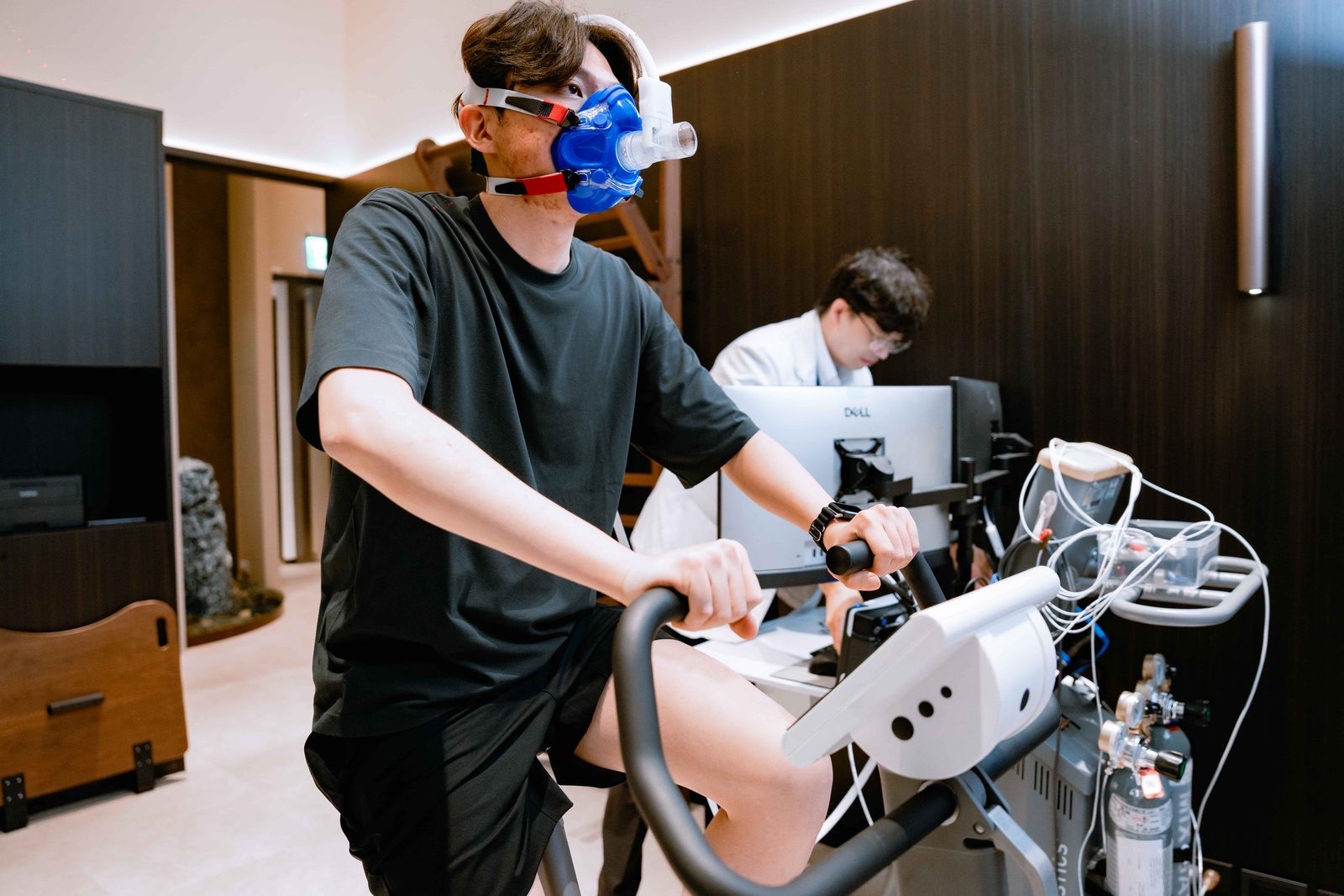 Specialty Treatments
What is functional medicine testing? How is it different from a regular checkup?
Read your body's signals clearly before flagged results show up: what testing looks at and how to interpret it.
Read →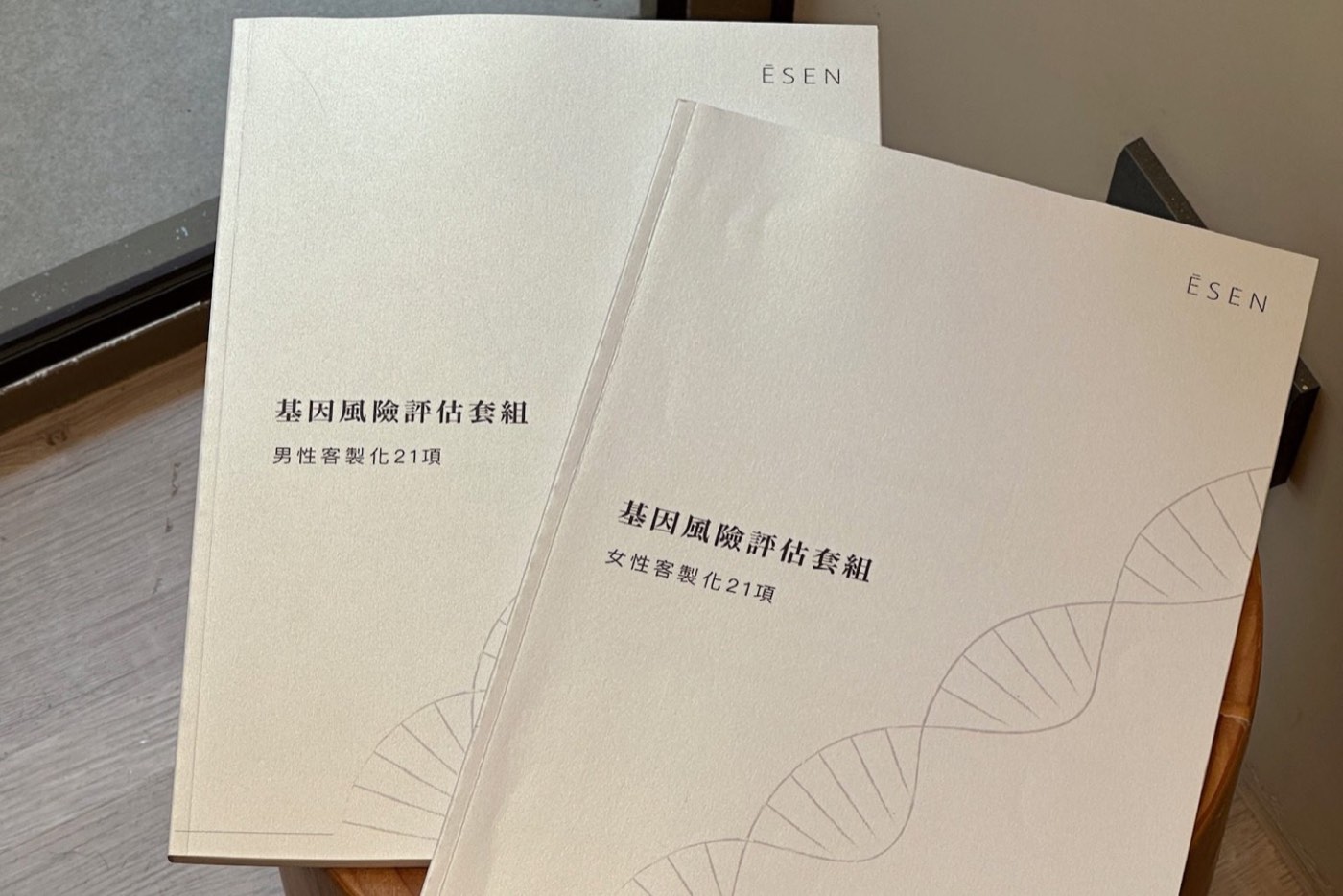 Genetic Testing
360 Genetic Test and 360 Pro: what's tested, how they differ, and how to use your report
One blood draw to see your inborn tendencies: 360 looks at risks, Pro looks at personalized modules.
Read → Health Articles
What Are the Signs of Low Testosterone?
Changes in sex drive, energy, strength and waistline may be testosterone trying to tell you something.
Read → Conditions We Treat
Always tired, even after a full night's sleep?
Still tired after sleeping? Look for causes in sleep, stress, blood sugar, thyroid and nutrients.
Read → Biomarker Library
What is DHEA-S? Is a low result aging or stress?
DHEA-S comes from the adrenal glands and declines with age, so it must be read against age-based ranges.
Read → Biomarker Library
How Do You Read Estradiol and Progesterone? Why Does Test Timing Follow Your Cycle?
Estradiol and progesterone change across the cycle, so the test day decides how to read them.
Read → Biomarker Library
Testosterone and SHBG: if total testosterone is normal, why check free testosterone too?
Total testosterone shows the overall amount. SHBG decides how much of it your body can use.
Read → Biomarker Library
How to Read Thyroid TSH, Free T4 and Free T3
TSH is the instruction, Free T4 and Free T3 are the result. You need all three for the full picture.
Read → Lifestyle Conditions Library
What Is Brain Fog? Why Is It Getting Harder to Focus?
Feel like your mind is in a fog, or a word is on the tip of your tongue? It's often several causes stacked together.
Read → Lifestyle Conditions Library
Why are my hands and feet always cold?
Cold hands and feet in winter and summer alike? It's often linked to your autonomic nervous system, iron, thyroid and muscle mass.
Read → Lifestyle Conditions Library
Losing a Lot of Hair Lately? Here's What Might Be Behind It
Losing a handful of hair every time you wash it? Figure out which type of hair loss it is first, so you head in the right direction.
Read → Lifestyle Conditions Library
What Is Hashimoto's Thyroiditis? Why Am I Always Tired, Cold, and Gaining Weight?
Always tired, cold, gaining weight, with a high TSH on your blood test? It may be related to Hashimoto's thyroiditis.
Read → Lifestyle Conditions Library
Why do I keep getting headaches? How do you tell a migraine from a regular headache?
Recurring headaches? First tell whether it's a migraine or a tension-type headache, then look for the triggers.
Read → Lifestyle Conditions Library
What is premenstrual syndrome, and why do I get so irritable before my period?
A few days every month when your mood spins out and you feel bloated and snacky? It may be PMS.
Read → Nutrient Library
Collagen: The Most Abundant Structural Protein in the Body
The body's most abundant structural protein, plus how peptides are absorbed
Read → Nutrient Library
Selenium: The Trace Mineral Behind Antioxidant Enzymes and Thyroid Hormone Conversion
Used in antioxidant and thyroid metabolism, with a narrow safe range
Read → Nutrient Library
Vitamin D: a vitamin that works like a hormone
Activated by the liver and kidneys, then acts on receptors throughout the body: sunlight, testing and forms
Read → Nutrient Library
Vitamin K2: The Fat-Soluble Vitamin Involved in Calcium Handling and Activating Clotting Proteins
A fat-soluble vitamin that activates calcium-regulating proteins in bone and blood vessels
Read → Nutrient Library
Zinc: The Trace Mineral Used by Hundreds of Enzymes and by Immune Cells
A trace mineral used by enzymes, the immune system, and your sense of taste
Read →
- Bhasin S, et al. Testosterone Therapy in Men With Hypogonadism: An Endocrine Society Clinical Practice Guideline. J Clin Endocrinol Metab. 2018;103(5):1715-1744.
- The 2022 Hormone Therapy Position Statement of The North American Menopause Society. Menopause. 2022;29(7):767-794.
- Yonkers KA, O'Brien PMS, Eriksson E. Premenstrual syndrome. Lancet. 2008;371(9619):1200-1210.
This is health education information. It does not replace a physician's diagnosis; whether a treatment is right for you needs a physician's assessment.