
What is functional medicine testing? How is it different from a regular checkup?
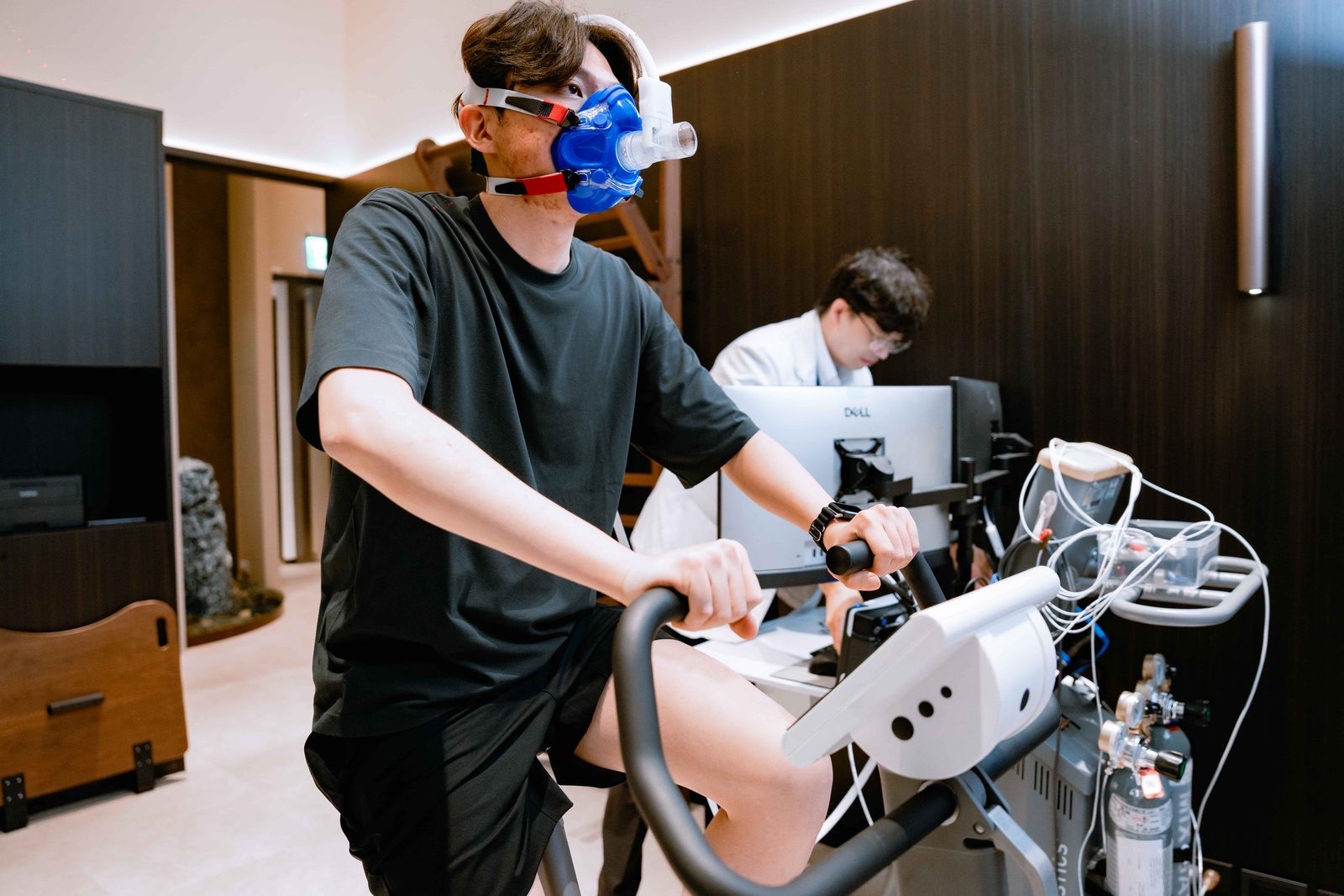
Functional medicine testing is a set of tests that goes beyond a regular checkup to look at nutrients, hormones, gut bacteria, stress and the autonomic nervous system. It helps find areas that haven't reached the level of disease but may be affecting how you feel. It isn't a treatment in itself. Its value is in letting your physician make decisions based on data. Which tests to do and how to interpret them should be decided by your physician based on your situation.
What is functional medicine testing?
A regular checkup answers the question "Am I sick?" But many people's concerns fall somewhere in between: every report is normal, yet they're still always tired, sleeping poorly, stuck at the same weight, or dealing with frequent allergies. Functional medicine testing tries to answer a different question: which part of your body might be slowing you down?
At ĒSEN, testing comes in several levels of depth. First-time visitors start with the 56-item Signature Checkup (blood health, liver and kidney function, basic metabolism, blood sugar and lipids, and urinalysis) and an autonomic nervous system test, plus a full consultation with a physician. When you need a more complete baseline, the ĒSEN Assess series covers more than 120 blood chemistry and functional medicine markers, and can be tracked year after year.
How it works: what does testing look at?
Think of your body as a factory. A regular checkup looks at whether the factory is on fire. Functional medicine testing also looks at whether there are enough raw materials, whether the command system is running smoothly, and whether waste is piling up.
| Area | Common tests | The question it tries to answer |
|---|---|---|
| Raw materials | Metabolic nutrients (vitamins, trace elements) | Are there enough parts for energy and antioxidant defense? |
| Command system | Male/female hormones | Do hormone levels and ratios match your symptoms? |
| Stress response | Emotional stress and autonomic nervous system tests | Has your body been stuck in tense mode for a long time? |
| Digestion and immunity | Gut microbiome, allergens | Are digestion, immunity and metabolism connected? |
| Environmental load | Heavy metals | Is there a buildup of metals from the environment? |
| Inborn starting point | Genetic testing (see 360 Genetic Test) | Where do your inborn risk tendencies lie? |
The principle of testing first and supplementing second shows up in research. In a randomized trial of 290 women with long-term fatigue who tested iron-deficient, a higher share of the iron group had less fatigue than the control group. In another study of office workers, IV vitamin C only helped people whose levels were already low. Knowing what you're missing first gives the next steps direction.
Situations it's often discussed for
- Always tired: anemia, thyroid, blood sugar and nutrients may all play a part.
- Hormone imbalance: changes in energy, libido and stamina in men; cycle and menopause symptoms in women.
- Gut health and allergies: recurring bloating, irregular bowel movements, constant nasal and skin allergies.
- Metabolism and stress: weight and blood sugar slowly creeping up, or long periods of high stress.
Who should be assessed first
- People whose checkup reports are mostly normal, but who keep feeling unwell
- People who want to know whether they're low on anything before trying IV drips or supplements
- People who want to set their own health baseline and track changes each year
How does testing work at ĒSEN?
- Physician consultation: your physician learns about your symptoms, medical history, medications and existing reports, and recommends which tests to do.
- Sample collection: depending on the tests, this means a blood draw, a urine or stool sample, or an autonomic nervous system test. Fasting and timing requirements depend on the tests, and our team will explain when you book.
- Report interpretation: your physician goes through each item, sorting out what needs medical follow-up, what needs lifestyle changes, and what needs more observation. Timing depends on the tests. Most take about 10 working days (around two weeks), and we'll confirm when you book.
- Planning next steps: this may mean diet and sleep changes, a referral to a dietitian or psychologist, or a further treatment plan.
The Da'an branch offers routine checkups, basic blood chemistry and common single tests. In-depth tests such as the 360 Genetic Test and Assess Plus are done at the Xinyi branch.
Contraindications and precautions
- Testing mostly involves blood draws and sample collection. The main risk is bruising where blood is drawn.
- Please tell your physician in advance about any medications and supplements you're taking (for example, biotin can interfere with some tests) and where you are in your menstrual cycle, so they don't affect interpretation.
- Test results need to be read together with your symptoms and medical history. A single number isn't a diagnosis.
Common myths
Myth 1: The more tests, the better. Tests should answer your questions. Testing things you can't use only adds anxiety.
Myth 2: Food IgG tests can find which foods you're allergic to. A task force report from the European Academy of Allergy and Clinical Immunology (EAACI) states that food IgG4 is not recommended as a diagnostic tool. Judging allergies requires your medical history and a physician's assessment.
Myth 3: If the numbers are normal, you're fine. Reference ranges are ranges for a population. Your physician looks at your numbers together with how you feel and how they trend.
Related programs
Functional medicine testing is the starting point of every program: the Fatigue & Energy Program, the Weight & Metabolism Program, the Hormone Balance Program, and the Allergy & Inflammation Program. To find out where to start, add us on LINE or fill out the Consultation Form.
FAQ
How is functional medicine testing different from a company health checkup?
Do I choose which tests to do?
Do I need to fast before the blood draw?
How long do reports take? Who explains them?
If a number is abnormal, does that mean I need an IV drip or supplements?
Related pages
 Conditions We Treat
Always tired, even after a full night's sleep?
Still tired after sleeping? Look for causes in sleep, stress, blood sugar, thyroid and nutrients.
Read → Conditions We Treat
What are the signs of hormone imbalance? What to look at differs for men and women
Changes in testosterone, estrogen and progesterone often hide behind fatigue and mood swings.
Read → Conditions We Treat
Is Your Gut Always Unsettled? Common Reasons for Recurring Bloating, Constipation, and Diarrhea
Recurring gut discomfort is often diet, stress, sleep, and gut bacteria working together.
Read → Conditions We Treat
What Is an Allergy-Prone Body? What to Do When Your Nose and Skin Keep Flaring Up
A doctor confirms the allergy first; functional medicine adds a look at the gut, diet, environment, and stress.
Read → Genetic Testing
360 Genetic Test and 360 Pro: what's tested, how they differ, and how to use your report
One blood draw to see your inborn tendencies: 360 looks at risks, Pro looks at personalized modules.
Read → Specialty Treatments
What is testosterone replacement therapy (TRT)? Which assessments come first?
Prescription treatment depends on confirmation and monitoring: TRT starts with blood work, a risk assessment, and regular follow-ups.
Read → Health Articles
Can You Change an Allergic Constitution?
You can't change your genes, but your allergy threshold, barriers and environment still leave room to adjust.
Read → Health Articles
Why Am I Always Tired?
Still tired after sleeping? Look for the cause in three places: making energy, recharging and draining.
Read → Health Articles
What Can a Genetic Test Tell You?
A genetic test reads your inborn tendencies. How you live still shapes the outcome.
Read → Health Articles
What Are the Signs of Low Testosterone?
Changes in sex drive, energy, strength and waistline may be testosterone trying to tell you something.
Read → Health Articles
Is Your Metabolism Slowing Down? Here's What to Do
A slower metabolism is mostly linked to muscle mass, activity, sleep and blood sugar. Age matters less than you might think.
Read → Health Articles
Hit a Weight Loss Plateau? Here's What to Do
A stuck scale means your body has switched into power-saving mode. Understand it, and you'll know what to adjust next.
Read → Biomarker Library
How to read vitamin B12 and folate results, and why they're tested together
B12 and folate team up on blood cells and nerves. Borderline results call for supporting markers.
Read → Biomarker Library
How to read cortisol, and why test timing matters so much
Cortisol follows a strong daily rhythm, so results must always be read alongside the time of the blood draw.
Read → Biomarker Library
What is DHEA-S? Is a low result aging or stress?
DHEA-S comes from the adrenal glands and declines with age, so it must be read against age-based ranges.
Read → Biomarker Library
How Do You Read Estradiol and Progesterone? Why Does Test Timing Follow Your Cycle?
Estradiol and progesterone change across the cycle, so the test day decides how to read them.
Read → Biomarker Library
What Does Fasting Glucose Tell You? Should You Worry About a Number Just Over 100?
What fasting glucose means, its reference ranges, and which markers to check alongside it when it runs high.
Read → Biomarker Library
What Is Ferritin? What Do Low or High Levels Mean?
Ferritin shows your iron stores, and often gives early clues to iron deficiency before hemoglobin does.
Read → Biomarker Library
HbA1c: Understanding Your Blood Sugar Over the Past 3 Months
HbA1c reflects your 3-month average blood sugar; from 5.7% it's worth paying attention.
Read → Biomarker Library
hs-CRP (High-Sensitivity C-Reactive Protein): Is Something Smoldering Inside?
hs-CRP detects low-grade inflammation and helps assess cardiovascular and metabolic risk.
Read → Biomarker Library
LDL and ApoB: Beyond "Bad Cholesterol," Why Particle Count Matters
LDL measures the amount of cholesterol, ApoB counts the particles. Looking at both gives a fuller picture.
Read → Biomarker Library
Magnesium and zinc blood tests: if your blood levels are normal, does your body have enough?
Serum magnesium and zinc are only the tip of the iceberg. Read them alongside diet, medications and symptoms.
Read → Biomarker Library
How to Read Thyroid TSH, Free T4 and Free T3
TSH is the instruction, Free T4 and Free T3 are the result. You need all three for the full picture.
Read → Biomarker Library
How to Read a 25-OH Vitamin D Blood Test: How Much Is Enough?
25-OH vitamin D reflects your stores over the past few weeks, and organizations disagree on the cutoffs.
Read → Lifestyle Conditions Library
Losing a Lot of Hair Lately? Here's What Might Be Behind It
Losing a handful of hair every time you wash it? Figure out which type of hair loss it is first, so you head in the right direction.
Read → Nutrient Library
CoQ10: the carrier on your mitochondria's energy production line
A link in the mitochondrial electron transport chain: reduced vs oxidized forms explained
Read → Nutrient Library
Folate and Active Folate: Vitamin B9 for Cell Division and Methylation
A key B vitamin for cell division and methylation, in three forms
Read → Nutrient Library
ĒSEN Pharmacy: Understand the Ingredient First, Then Decide Whether to Take It
An ingredient library and pharmacist consultations: understand the ingredient before deciding whether to take it
Read → Nutrient Library
Iron: The Mineral That Carries Oxygen Throughout the Body
A key mineral for carrying oxygen; check your markers before supplementing
Read → Nutrient Library
Omega-3: what do EPA and DHA do in your cell membranes?
Building blocks for cell membranes and lipid signals: EPA, DHA and fish oil forms explained
Read → Nutrient Library
Probiotics: why you need to look down to the strain
Effects depend on the strain: reading strain codes, CFU and storage conditions
Read → Nutrient Library
Selenium: The Trace Mineral Behind Antioxidant Enzymes and Thyroid Hormone Conversion
Used in antioxidant and thyroid metabolism, with a narrow safe range
Read → Nutrient Library
Vitamin D: a vitamin that works like a hormone
Activated by the liver and kidneys, then acts on receptors throughout the body: sunlight, testing and forms
Read → Nutrient Library
Zinc: The Trace Mineral Used by Hundreds of Enzymes and by Immune Cells
A trace mineral used by enzymes, the immune system, and your sense of taste
Read → Conditions We Treat
Palpitations, chest tightness, poor sleep: is it autonomic imbalance?
Palpitations, chest tightness, gut trouble, poor sleep? Understand how stress and the autonomic nervous system are linked.
Read → Conditions We Treat
What Is Chronic Inflammation? A Low Fire That Keeps Burning
Low-grade inflammation without redness or pain often shows up alongside fatigue and metabolic issues.
Read → Conditions We Treat
Can't fall asleep, waking at night, never feeling rested: what causes insomnia?
Can't sleep or keep waking up? Look for the causes in stress, body clock and daily habits.
Read → Conditions We Treat
Slowing metabolism and borderline blood sugar: what's happening in your body?
Borderline blood sugar and a growing waistline? Learn about insulin resistance and metabolic assessment.
Read → Signature Programs
Recurring allergies, chronic inflammation: how does a 90-day program assess and track them?
Look for clues along three lines—immunity, gut and diet—and track under the same conditions for 90 days.
Read → Signature Programs
Always tired? How the 90-day Fatigue & Energy Program works
Check the possible causes of fatigue one by one, then track changes over 90 days.
Read → Signature Programs
How are hormone imbalances assessed? The 90-day Hormone Balance Program (including male TRT assessment)
Confirm with blood work first, then discuss prescriptions. Both men's and women's hormones need regular safety monitoring.
Read → Signature Programs
Long-term insomnia? How the 90-day Sleep Program works
Rule out sleep apnea first, then spend 90 days on sleep behavior practice and a sleep diary.
Read → Signature Programs
High stress, autonomic imbalance: how can a 90-day program help you sort it out?
Turn stress into numbers you can see, then practice and track your recovery over 90 days.
Read → Signature Programs
Stuck on your weight loss? How the 90-day Weight & Metabolism Program works
Use testing to find why you're stuck, then track weight, waist and muscle under the same conditions for 90 days.
Read → Member Stories
Feeling Fine: Does It Really Mean You're Fine?
He takes great care of his work, but his own body comes last.
Read → Member Stories
I Took a Genetic Test to Understand Myself Better
From the physician consultation to the report walkthrough: the 5 steps of a genetic test.
Read → Page
ĒSEN Our Team
Physicians, dietitians, psychologists, and pharmacists, taking care of your health together.
Read → Specialty Treatments
What is IV Nutrient Therapy? Do IV drips really work?
A way of supplementing that bypasses the gut: what the ingredients do, where the evidence stands, and who should be assessed first.
Read → Specialty Treatments
What does a dietitian consultation involve? How is it different from looking up recipes online?
Turning test data into your daily plate: how a dietitian works alongside your physician.
Read →
- Favrat B, Balck K, Breymann C, et al. Evaluation of a single dose of ferric carboxymaltose in fatigued, iron-deficient women: PREFER a randomized, placebo-controlled study. PLoS One. 2014;9(4):e94217.
- Stapel SO, Asero R, Ballmer-Weber BK, et al. Testing for IgG4 against foods is not recommended as a diagnostic tool: EAACI Task Force Report. Allergy. 2008;63(7):793-796.
- Suh SY, Bae WK, Ahn HY, et al. Intravenous vitamin C administration reduces fatigue in office workers: a double-blind randomized controlled trial. Nutr J. 2012;11:7.
This is health education information. It does not replace a physician's diagnosis; whether a treatment is right for you needs a physician's assessment.