
Always tired? How the 90-day Fatigue & Energy Program works

The Fatigue & Energy Program is a roughly 90-day process of assessment and tracking. It starts with a physician consultation, blood work and questionnaires to find possible causes, such as low iron or vitamin D, thyroid issues, hormones, or stress rhythms. Based on the results, we plan nutrition, lifestyle changes and treatments, then retest under the same conditions in week 12. It doesn't promise your fatigue will disappear, but it helps you see clearly where the problem may lie.
Who is this program for?
- Ongoing fatigue for 3 months or more that rest or sleep doesn't fix
- Brain fog, weaker focus and memory, or a clear energy crash in the afternoon
- Slow recovery after exercise, or feeling more tired the more you move
- Feeling burned out after long periods of high stress, and relying more and more on caffeine
- Fatigue along with feeling cold, weight changes, hair loss, low libido or irregular periods
- Fatigue that has dragged on long after an infection
If your fatigue mainly comes from poor sleep or stress, start with the Sleep Program or the Stress & Autonomic Recovery Program.
Why a program instead of a single treatment?
Fatigue rarely has just one cause. ĒSEN's assessment looks at four areas: cellular energy production (mitochondria), stress hormone rhythm (the HPA axis), thyroid, and sex hormones, while also checking nutrient status such as iron and vitamin D. A single drip may make you feel more energetic in the moment, but it can't show which link is the problem, or tell whether the change lasts.
The value of a program is that you can compare before and after. Day 1 and week 12 are measured at the same time of day under the same conditions. Only by looking at those numbers side by side can you tell what's actually moving.
How do the 90 days work?
| Phase | What happens | Who's involved |
|---|---|---|
| Weeks 1–2: Assessment | First visit with a physician, morning fasting blood draw, fatigue and mood questionnaires, and a daily energy log; functional medicine tests such as cortisol added as needed. Once results are in, your physician explains them and sets one main goal with you | Physician, nurse |
| Weeks 3–8: Intervention | Nutritional supplements, daily routine and activity pacing based on your results; ILIB and IV Nutrient Therapy when appropriate. Physician follow-ups in weeks 4 and 8 to adjust the plan; your health coach reviews your logs and adherence in weeks 2 and 6; mid-point questionnaires in week 6 | Physician, health coach, dietitian |
| Weeks 9–12: Tracking and adjustment | Retest blood work and questionnaires under the same conditions in week 12; results visit in week 13 to compare before and after and decide whether to maintain, adjust, or move to another program | Physician |
The number and frequency of treatments depend on your assessment.
Which specialists and treatments are involved?
- Functional medicine testing: beyond standard blood work, your physician may add tests such as 24-hour salivary cortisol or urinary neurotransmitters
- ILIB and IV Nutrient Therapy: often discussed alongside research on mitochondria and energy metabolism. Research is still developing, and whether they suit you is for your physician to assess
- Dietitian: diet structure, protein, and meal timing
- Physician prescriptions: if testing finds a condition such as an underactive thyroid, your physician will assess whether medication is needed
Which markers do we track?
- FSS (Fatigue Severity Scale): day 1, week 6, and week 12
- Daily energy self-rating (0–10)
- MSQ (Medical Symptoms Questionnaire), PHQ-9/GAD-7 mood screening
- Serum ferritin, vitamin D, thyroid function; cortisol curve when needed
These numbers are for comparing against your own baseline. They are not a promise of results.
Who isn't this program for? When is a referral needed?
In the following situations, we'll first ask you to see a doctor or refer you elsewhere instead of starting the program:
- Unexplained weight loss, fever, night sweats, or swollen lymph nodes
- Mood questionnaires showing severe depression, or thoughts of harming yourself; we'll refer you to psychiatry
- Suspected sleep apnea, anemia, diabetes, liver or kidney disease, autoimmune disease, or other conditions that need specialist care
To see whether it's right for you, read common causes of fatigue, or add our official LINE account or fill out the Consultation Form, and our team will book your first visit.
What happens after 90 days?
At the week 13 results visit, we look at your day 1 and week 12 data side by side. If your main markers are moving, your physician will talk with you about how to keep up the routine, nutrition and activity pacing that worked, and how often to come back for check-ins. If the change isn't clear, there may be a cause we haven't found yet. Your physician will review your adherence and test results, then decide whether to add tests, change direction, or move to another program such as Sleep or Hormone. Fatigue is often several factors stacked together, and one value of the first 90 days is ruling some of them out.
FAQ
How is the Fatigue & Energy Program different from a single IV drip?
Do I have to do functional medicine testing?
Will my fatigue definitely be better after 90 days?
Does it apply to fatigue caused by poor sleep?
How do I get started?
Related pages
 Conditions We Treat
Always tired, even after a full night's sleep?
Still tired after sleeping? Look for causes in sleep, stress, blood sugar, thyroid and nutrients.
Read →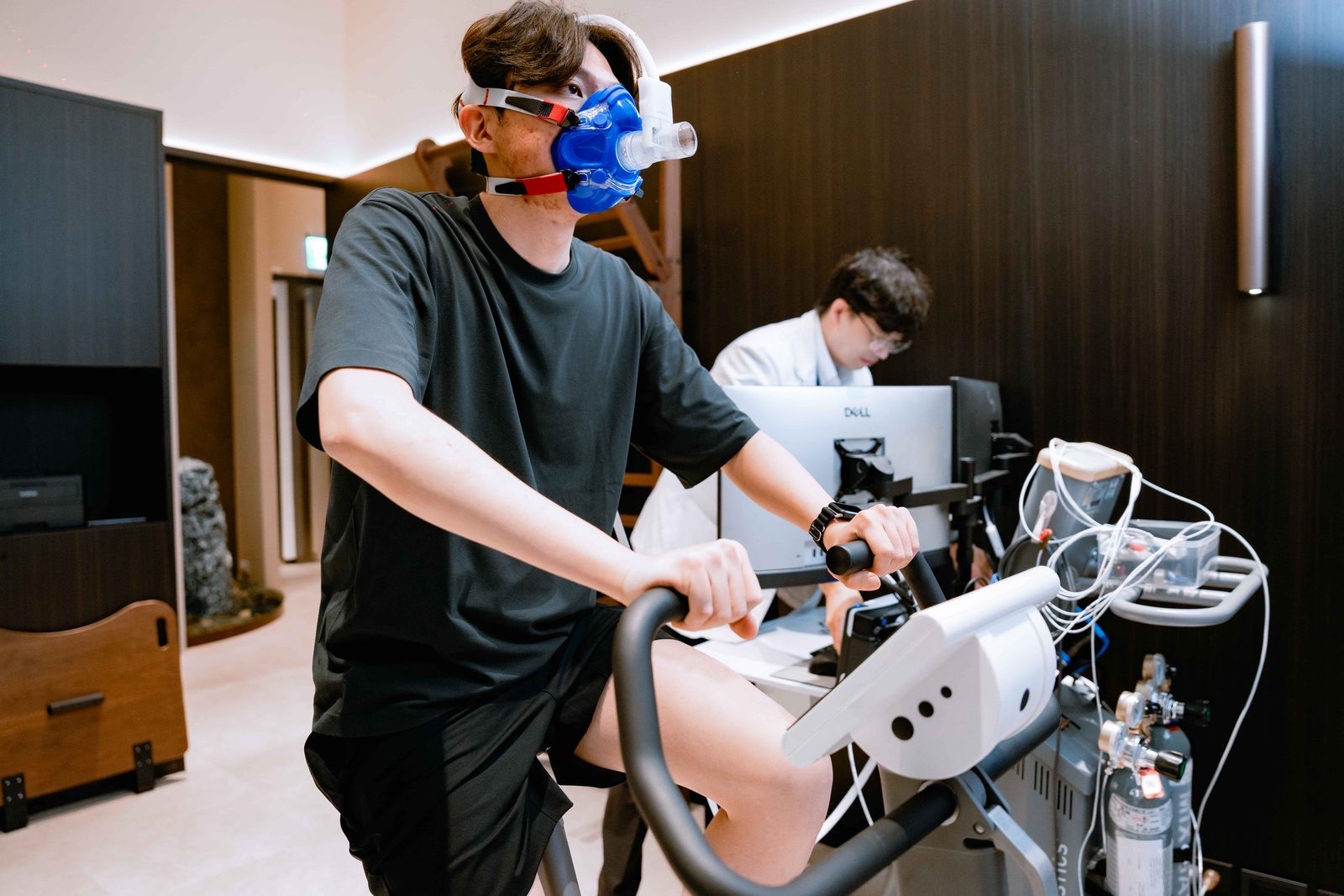 Specialty Treatments
What is functional medicine testing? How is it different from a regular checkup?
Read your body's signals clearly before flagged results show up: what testing looks at and how to interpret it.
Read → Specialty Treatments
What is Intravenous Laser Irradiation of Blood (ILIB)?
A beam of low-energy red light shining on your blood: how it works, where research stands, and how it's done at ĒSEN.
Read → Specialty Treatments
What is IV Nutrient Therapy? Do IV drips really work?
A way of supplementing that bypasses the gut: what the ingredients do, where the evidence stands, and who should be assessed first.
Read → Signature Programs
Long-term insomnia? How the 90-day Sleep Program works
Rule out sleep apnea first, then spend 90 days on sleep behavior practice and a sleep diary.
Read → Health Articles
Why Am I Always Tired?
Still tired after sleeping? Look for the cause in three places: making energy, recharging and draining.
Read → Biomarker Library
How to read vitamin B12 and folate results, and why they're tested together
B12 and folate team up on blood cells and nerves. Borderline results call for supporting markers.
Read → Biomarker Library
What Is Ferritin? What Do Low or High Levels Mean?
Ferritin shows your iron stores, and often gives early clues to iron deficiency before hemoglobin does.
Read → Lifestyle Conditions Library
Why are my hands and feet always cold?
Cold hands and feet in winter and summer alike? It's often linked to your autonomic nervous system, iron, thyroid and muscle mass.
Read → Nutrient Library
Vitamin B complex: a metabolic working group of 8 vitamins
Coenzymes for energy metabolism and methylation: the 8 B vitamins and their active forms
Read → Nutrient Library
CoQ10: the carrier on your mitochondria's energy production line
A link in the mitochondrial electron transport chain: reduced vs oxidized forms explained
Read → Nutrient Library
Iron: The Mineral That Carries Oxygen Throughout the Body
A key mineral for carrying oxygen; check your markers before supplementing
Read → Signature Programs
How are hormone imbalances assessed? The 90-day Hormone Balance Program (including male TRT assessment)
Confirm with blood work first, then discuss prescriptions. Both men's and women's hormones need regular safety monitoring.
Read →
- Krupp LB, LaRocca NG, Muir-Nash J, Steinberg AD. The fatigue severity scale: application to patients with multiple sclerosis and systemic lupus erythematosus. Arch Neurol. 1989.
- Institute of Medicine. Beyond Myalgic Encephalomyelitis/Chronic Fatigue Syndrome: Redefining an Illness. National Academies Press. 2015.
This is health education information. It does not replace a physician's diagnosis; whether a treatment is right for you needs a physician's assessment.