
I Took a Genetic Test to Understand Myself Better

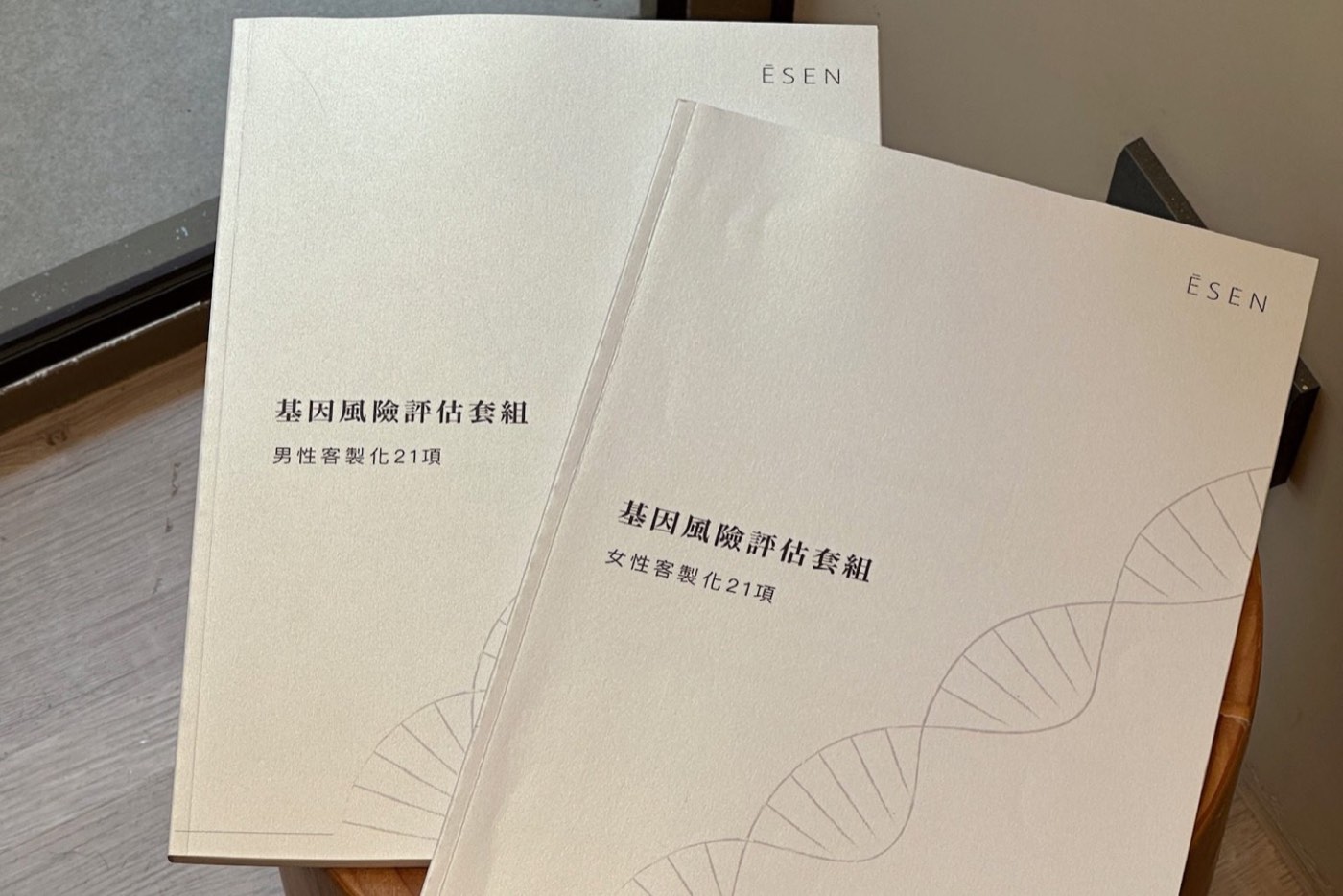
Rin has always been curious about some of her small habits, like feeling full only after eating slowly, or feeling especially calm after a workout. She took the 360 Genetic Test at ĒSEN to understand herself from a different angle. This story walks through the process she went through and explains what a genetic test can and cannot tell you.
What did she want to understand?
Many people take a genetic test not because they're sick, but because they want to know "why am I like this?" Rin cared about how she feels day to day: whether there are patterns of her own between eating, stress, sleep and how her body feels. She wanted something concrete she could bring to a physician and dietitian to talk about how to plan her daily life.
The 5 steps she went through
- Physician consultation: first, a conversation about lifestyle habits, family history and what she wanted to learn, to confirm whether the test was a good fit.
- Blood draw: the sample was taken at the clinic.
- Report walkthrough: the physician translated the report into plain language, explaining what each item looks at and which ones are only tendencies.
- Health management plan: based on the report and her lifestyle, they discussed directions for adjusting diet, stress and sleep.
- Ongoing follow-up: the team follows up afterward and arranges other assessments if needed.
She shared that the report walkthrough helped the most, because the physician clearly separated "genetic tendencies" from "how you live now," so reading the report didn't leave her more anxious.
What a genetic test can and cannot tell you
| Useful as | Not a substitute for |
|---|---|
| A look at tendencies in individual differences, such as nutrient metabolism and caffeine metabolism | A disease diagnosis |
| A starting point for talking with a physician and dietitian about daily habits | A prediction that you will or won't get sick |
| Reference material for long-term health management | Regular health checkups |
Genes are only one piece of the puzzle. Sleep, diet, activity, stress and environment matter just as much to your body, so the report needs to be read together with other tests and your lifestyle habits. For a fuller explanation, see How to Choose a Genetic Test.
Who might want to talk with a physician first
- People who want a more personalized way to plan their diet and daily routine.
- People with a family history who want to discuss with a physician what to keep an eye on.
- People who have had a standard health checkup and want one more angle on understanding themselves.
To learn about ĒSEN's testing options, see 360 Genetic Test and 360 Pro, or ask us through our LINE Official Account.
ĒSEN invited Rin to share her testing experience, and it is published with her consent. The content does not represent any treatment effect. Please have a physician assess your individual situation.
FAQ
Can a genetic test tell me whether I'll get sick?
What is the process for ĒSEN's 360 Genetic Test?
Do I only need a genetic test once in my life?
Related pages
 Genetic Testing
360 Genetic Test and 360 Pro: what's tested, how they differ, and how to use your report
One blood draw to see your inborn tendencies: 360 looks at risks, Pro looks at personalized modules.
Read → Health Articles
What Can a Genetic Test Tell You?
A genetic test reads your inborn tendencies. How you live still shapes the outcome.
Read → Specialty Treatments
What does a dietitian consultation involve? How is it different from looking up recipes online?
Turning test data into your daily plate: how a dietitian works alongside your physician.
Read →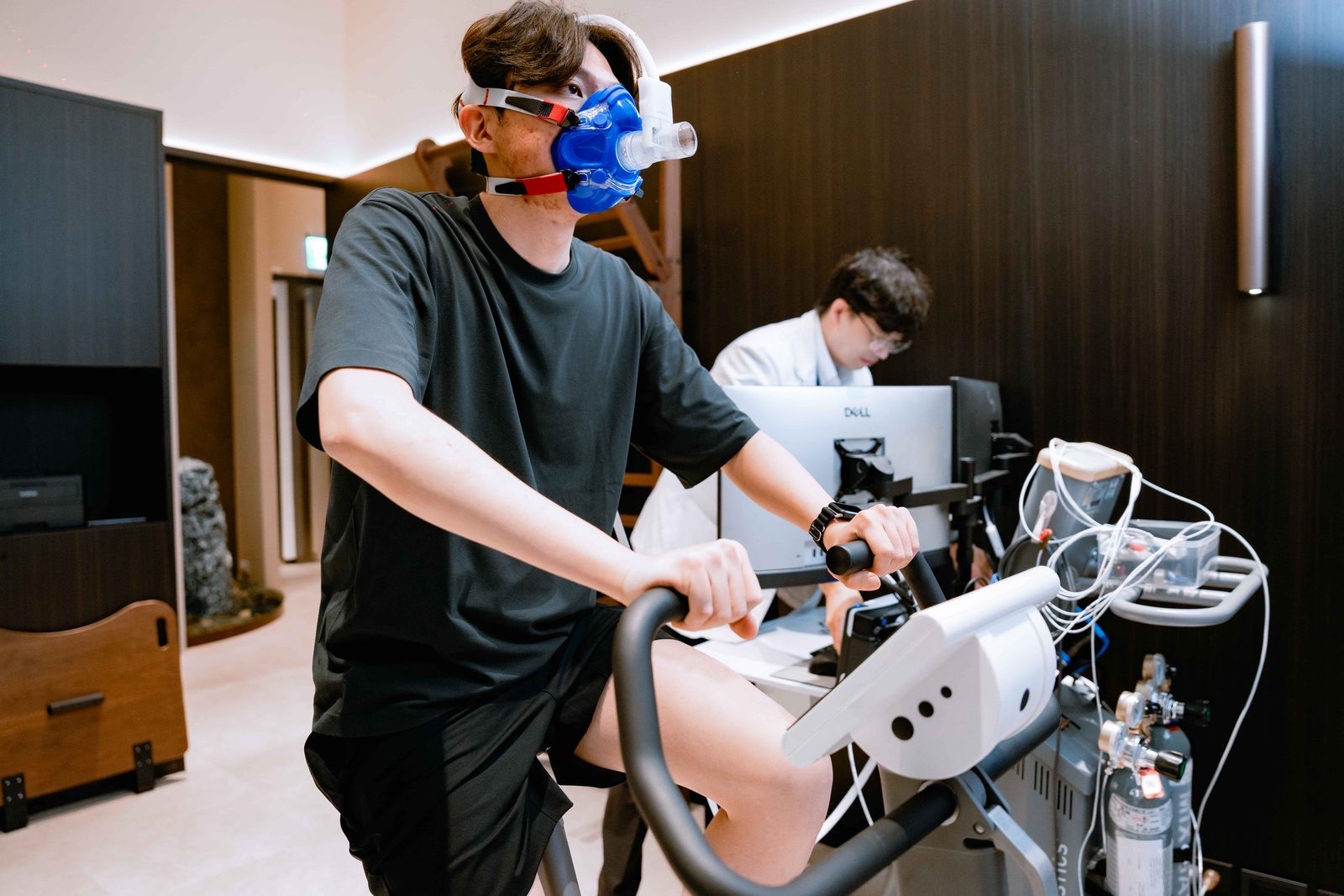 Specialty Treatments
What is functional medicine testing? How is it different from a regular checkup?
Read your body's signals clearly before flagged results show up: what testing looks at and how to interpret it.
Read → Conditions We Treat
What Is Chronic Inflammation? A Low Fire That Keeps Burning
Low-grade inflammation without redness or pain often shows up alongside fatigue and metabolic issues.
Read →
A personal health-management story about the service and consultation process only. It does not represent treatment results; everyone's situation is different. This is health education information. It does not replace a physician's diagnosis; whether a treatment is right for you needs a physician's assessment.