
High stress, autonomic imbalance: how can a 90-day program help you sort it out?

The Stress & Autonomic Recovery Program is a roughly 90-day process of assessment and practice. It starts with mind-body questionnaires, heart rate variability (HRV), and stress hormone testing where needed, to describe how your body responds to stress. Your physician, psychologist and health coach then plan breathing, daily routine, exercise and psychological support together, adding supporting treatments when needed, and retest under the same conditions at the end. The program doesn't promise your symptoms will disappear. The focus is helping you see change and learn to regulate.
Who is this program for?
- Frequent palpitations, chest tightness or sweaty palms, but tests find no clear cause
- Long-term tension, irritability or anxiety, and you can't relax even on vacation
- Digestive issues, headaches, or neck and shoulder symptoms that rise and fall with stress
- Months of ongoing stress from work or caring for family, starting to affect your sleep and focus
Why a program instead of a single session?
Long-term stress can affect the day-night rhythm of stress hormones (the HPA axis) and the balance between your sympathetic and parasympathetic nervous systems. These changes usually build up slowly, and they take time to shift. A single relaxation session may bring short-term relief, but it can't show a trend. The program retests with the same questionnaires and HRV at set points, alongside weekly practices you can actually do, so you and the care team know which methods work for you.
How do the 90 days work?
| Phase | What happens | Who's involved |
|---|---|---|
| Weeks 1–2: Assessment | Physician consultation to rule out heart, thyroid and other causes; mind-body questionnaires and HRV autonomic testing; salivary cortisol or brainwave tests as needed; results explained and one main goal set | Physician, nurse |
| Weeks 3–8: Intervention | Breathing practice, regular aerobic exercise, routine and caffeine adjustments; psychologist sessions as needed; your physician assesses whether to add supporting treatments; physician follow-ups in weeks 4 and 8, health coach check-ins in weeks 2 and 6 | Physician, psychologist, health coach |
| Weeks 9–12: Tracking and adjustment | Retest HRV and questionnaires at the same time of day in week 12; results visit in week 13 to decide how to maintain progress or whether to move to the Sleep Program or another option | Physician, psychologist |
Stress assessments are often looked at together with sleep. The actual schedule and number of sessions in each phase depend on your assessment.
Which specialists and treatments are involved?
- Psychologist: sorting out sources of stress and practicing skills based on cognitive behavioral approaches
- Functional medicine testing: salivary cortisol curve, urinary neurotransmitters and more, if your physician decides they're needed
- ILIB and IV Nutrient Therapy: supporting options; research is still developing
- Cranial electrotherapy stimulation (CES): a low-intensity microcurrent often discussed in anxiety and sleep research. Whether it suits you is for your physician to assess
- Physician prescriptions: when questionnaires show higher levels of anxiety or depression, your physician assesses short-term medication
Which markers do we track?
- HRV (RMSSD, SDNN), measured at the same time of day each time, after sitting quietly for 5 minutes
- PHQ-9 depression and GAD-7 anxiety questionnaires
- MSQ (Medical Symptoms Questionnaire) and an overall health self-rating
- When needed: salivary cortisol day-night curve
Who isn't this program for? When is a referral needed?
- If PHQ-9 question 9 (thoughts of harming yourself) is positive or your total score is very high, we'll refer you to psychiatry right away
- For chest pain, difficulty breathing or fainting, please see a doctor first to rule out heart and lung problems
- Frequent panic attacks that seriously affect work and daily life need psychiatric treatment at the same time
In an emergency, call 119. To learn more on your own first, read Autonomic Dysfunction. When you'd like an assessment, add our official LINE account or fill out the Consultation Form.
What happens after 90 days?
Stress doesn't disappear when the program ends, so the focus of the week 13 visit is leaving you with your own regulation toolkit: which breathing or exercise method you feel most, which routine changes you can stick with, and which signals mean it's time to come back. Your HRV and questionnaire baselines also stay in your medical record. The next time stress rises, we can compare directly with this round to judge whether your body's response is more severe than before. If needed, counseling can continue on its own, without going through the full program again.
FAQ
Can autonomic imbalance be seen on a test?
Do I have to see a psychologist?
Will this program involve medication?
Once I finish, will the imbalance never come back?
How do I choose between this and the Sleep Program?
Related pages
 Conditions We Treat
Palpitations, chest tightness, poor sleep: is it autonomic imbalance?
Palpitations, chest tightness, gut trouble, poor sleep? Understand how stress and the autonomic nervous system are linked.
Read →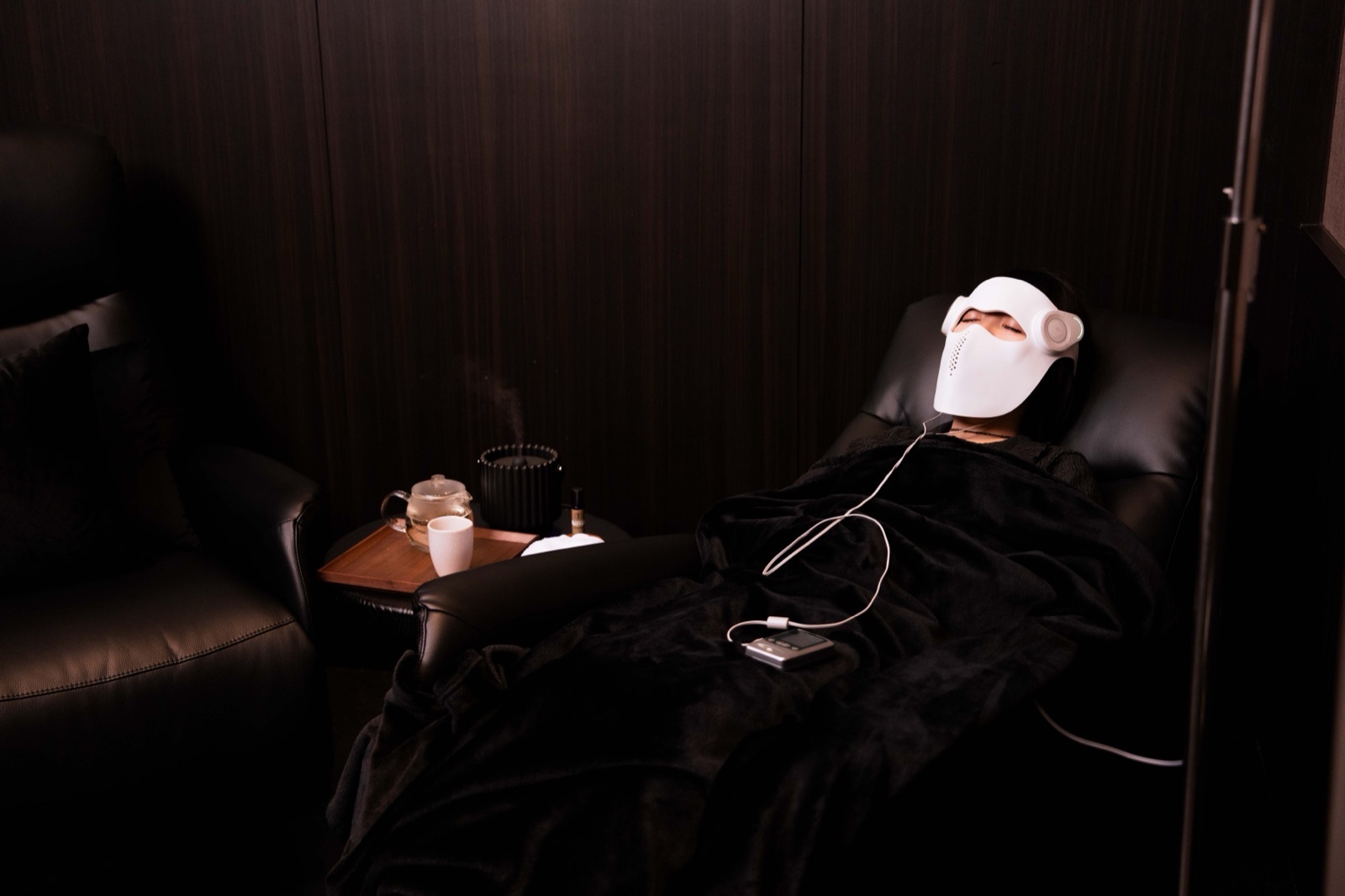 Signature Programs
Long-term insomnia? How the 90-day Sleep Program works
Rule out sleep apnea first, then spend 90 days on sleep behavior practice and a sleep diary.
Read → Specialty Treatments
High stress, poor sleep: why see a psychologist?
Mood and sleep are a pillar of health: how a psychologist works alongside physicians and dietitians.
Read → Specialty Treatments
What is functional medicine testing? How is it different from a regular checkup?
Read your body's signals clearly before flagged results show up: what testing looks at and how to interpret it.
Read → Specialty Treatments
What is Intravenous Laser Irradiation of Blood (ILIB)?
A beam of low-energy red light shining on your blood: how it works, where research stands, and how it's done at ĒSEN.
Read → Health Articles
What Are the Symptoms of Autonomic Dysfunction?
Palpitations, chest tightness, gut trouble, light sleep: your body may have had its foot on the gas for too long.
Read → Health Articles
What Can a Genetic Test Tell You?
A genetic test reads your inborn tendencies. How you live still shapes the outcome.
Read → Health Articles
Can't Sleep Because of Stress? Here's What to Do
Can't sleep under stress? Your brain's security guard hasn't clocked out yet. From how it works to what you can adjust.
Read → Biomarker Library
How to read cortisol, and why test timing matters so much
Cortisol follows a strong daily rhythm, so results must always be read alongside the time of the blood draw.
Read → Lifestyle Conditions Library
What Is Acid Reflux? Why Do I Keep Getting Heartburn?
Heartburn, sour fluid coming up, or a lump in your throat may be acid reflux.
Read → Lifestyle Conditions Library
Always Anxious or Feeling Low: What's Going On?
Always on edge, or can't find your energy? Body and mood go together, and they can be assessed together.
Read → Lifestyle Conditions Library
Why are my hands and feet always cold?
Cold hands and feet in winter and summer alike? It's often linked to your autonomic nervous system, iron, thyroid and muscle mass.
Read → Lifestyle Conditions Library
Losing a Lot of Hair Lately? Here's What Might Be Behind It
Losing a handful of hair every time you wash it? Figure out which type of hair loss it is first, so you head in the right direction.
Read → Lifestyle Conditions Library
Why do I keep getting headaches? How do you tell a migraine from a regular headache?
Recurring headaches? First tell whether it's a migraine or a tension-type headache, then look for the triggers.
Read → Nutrient Library
L-Theanine: An Amino Acid Unique to Tea
An amino acid unique to tea, studied for its link to brain waves and a sense of relaxation
Read → Conditions We Treat
Is Your Gut Always Unsettled? Common Reasons for Recurring Bloating, Constipation, and Diarrhea
Recurring gut discomfort is often diet, stress, sleep, and gut bacteria working together.
Read → Member Stories
Poor Sleep, Constant Fatigue: What Is Your Body Telling You?
She wanted to understand why poor sleep and constant tiredness always seemed to show up together.
Read → Member Stories
Feeling Fine: Does It Really Mean You're Fine?
He takes great care of his work, but his own body comes last.
Read →
- Shaffer F, Ginsberg JP. An overview of heart rate variability metrics and norms. Front Public Health. 2017.
- Kroenke K, Spitzer RL, Williams JB. The PHQ-9: validity of a brief depression severity measure. J Gen Intern Med. 2001.
- Spitzer RL, Kroenke K, Williams JB, Löwe B. A brief measure for assessing generalized anxiety disorder: the GAD-7. Arch Intern Med. 2006.
This is health education information. It does not replace a physician's diagnosis; whether a treatment is right for you needs a physician's assessment.